

Who Is the Patron Saint of Anxiety Disorders and Why People Pray to Them?

The idea of a patron saint of anxiety disorders has gained attention among people searching for spiritual support during emotional distress. In many religious traditions, especially within Christianity, saints are believed to intercede on behalf of individuals facing specific struggles and are often referenced by Grace Mental Wellness those who feel overwhelmed by fear, panic, or constant worry, seeking comfort beyond medical or psychological treatment alone. For many believers, turning to anxiety disorders provides hope when anxiety feels uncontrollable. What is a patron saint in religious tradition Patron anxiety disorders are understood within religious tradition as part of a broader system where saints are assigned symbolic roles for protection, healing, or guidance. The concept of a patron saint of anxiety disorders helps people connect their emotional struggles to spiritual support sleep disorder treatment making faith feel more personal and accessible. In this context, many believers also explore catholic saints for stress and worry as part of their devotional practices, strengthening their sense of spiritual grounding during difficult times. Growing interest in spiritual and faith-based coping methods The anxiety disorder is increasingly mentioned in discussions about holistic mental wellness, especially as more people combine therapy with spirituality. In modern life, stress, uncertainty, and pressure have led many individuals to seek meaning beyond clinical treatments. The patron saint of anxiety disorders represents a bridge between emotional healing and spiritual belief systems. This growing interest is also reflected in people searching for prayers for anxiety relief, as prayer is often seen as a calming ritual that helps reduce emotional tension and restore inner peace. Why people turn to saints during emotional or psychological distress A patron disorder is often invoked by individuals who feel isolated in their struggles with fear, panic attacks, or persistent worry. When anxiety becomes overwhelming, people may look for a sense of comfort that goes beyond human interaction or medication. The patron saint of anxiety disorders symbolizes hope, reassurance, and the belief that suffering is not faced alone. Many also seek spiritual comfort for anxiety, using faith-based reflection, prayer, and meditation as tools to regain emotional stability and resilience during challenging moments. Commonly associated saints for anxiety and mental suffering Figures such as Saint Dymphna are often associated with mental health struggles, while others are invoked for peace of mind and emotional healing. The patron saint of anxiety disorders serves as a focal point for believers who feel spiritually supported through these figures. In many communities, individuals also reflect on saint for mental health healing, seeing these saints as symbolic guides who encourage strength, patience, and emotional recovery during times of distress. Faith as a coping mechanism during stress and panic Anxiety disorders play an important role in how many people integrate faith into their coping strategies for stress and panic. While modern psychology focuses on cognitive and behavioral techniques, faith-based approaches emphasize surrender, trust, and spiritual reassurance. The patron saint of anxiety disorders becomes a symbolic source of comfort during moments of intense emotional discomfort. For some individuals, combining prayer with reflection provides a grounding effect that helps them feel more in control of their thoughts and emotions during anxious episodes. How Prayer and Faith May Help Anxiety Symptoms Prayer practices are often central to calming the mind and reducing emotional overwhelm. These routines can create a sense of structure, peace, and mindfulness, which may help individuals manage anxiety symptoms more effectively. The saint is frequently included in daily devotionals, where individuals seek emotional strength and clarity. Over time, consistent spiritual practice may help individuals feel more centered, less reactive to stress, and more capable of handling uncertainty with patience and trust. CONCLUSION The patron saint of anxiety disorders continues to hold deep meaning for people seeking spiritual support in times of emotional struggle. While anxiety is a complex condition often requiring professional care, faith-based practices offer an additional layer of comfort and hope. The patron saint of anxiety disorders reminds believers that they are not alone in their suffering and that healing can involve both emotional and spiritual dimensions. Whether through prayer, reflection, or devotion, turning to a patron saint of anxiety disorders can provide a sense of peace and reassurance during life’s most challenging moments. Frequently Asked Questions How can prayer help calm an anxious mind? It helps calm thoughts, encourages reflection, and brings emotional comfort during stressful moments in life. What brings peace during stressful times?Peace often comes from breathing slowly, resting your mind, and focusing on present moment awareness practice. Can faith reduce fear and worry daily?Faith may provide strength, reduce fear, and encourage a sense of inner stability in daily practice. Why do people seek comfort in saints? Yes, people often look for comfort, guidance, and reassurance when facing emotional stress and uncertainty moments. How does belief help emotional healing?Belief systems can support emotional balance by offering hope, structure, and inner peace in daily life.
Is Generalized Anxiety Disorder a Disability for Social Security Benefits?
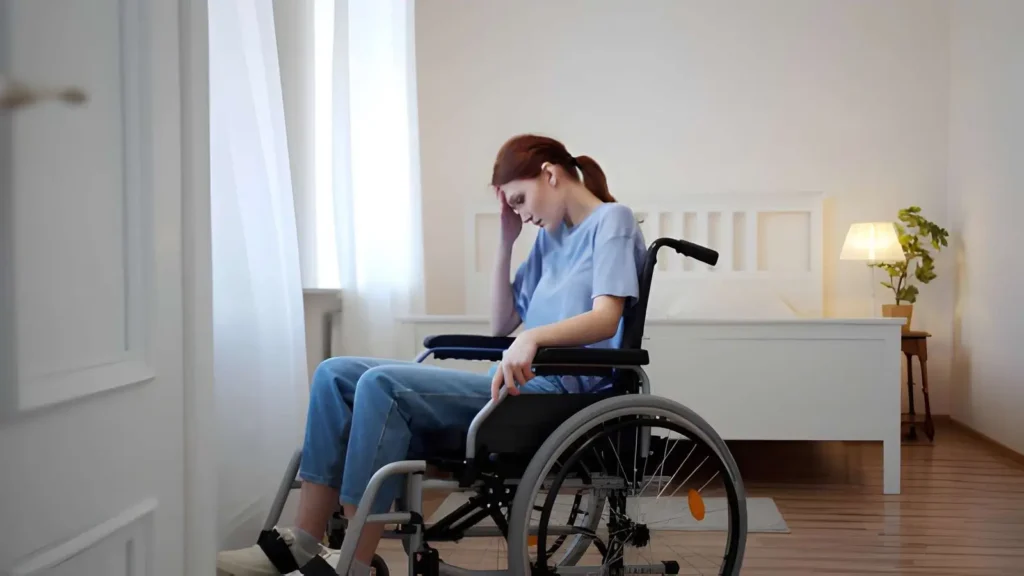
Understanding is generalized anxiety disorder. A disability is very important for people who struggle with long-term anxiety that affects daily living. Many individuals face ongoing stress, fear, and worry that interfere with their ability to function normally. These challenges often create anxiety impairment in work and social life. Social Security evaluates whether the condition is severe enough to prevent employment for at least twelve months. This determination helps decide eligibility for financial and medical support programs. For professional mental health support, Grace Mental Wellness LLC offers specialized services tailored to your individual needs. What Is Generalized Anxiety Disorder (GAD)? Is generalized anxiety disorder a disability begins with understanding Generalized Anxiety Disorder itself. GAD is a mental health condition where a person experiences constant and excessive worry about everyday situations. This anxiety is not temporary and continues for long periods. It affects sleep, concentration, decision-making, and emotional balance. People with GAD often feel restless and overwhelmed without clear reasons. Over time, it can significantly reduce quality of life and make normal daily activities very difficult. Learning more about anxiety disorder and its various forms is an important step toward getting the right help. How Social Security Defines Disability To evaluate is generalized anxiety disorder a disability, Social Security uses specific rules. A condition is considered a disability if it prevents a person from maintaining regular employment for at least twelve months. Both physical and mental disability conditions are included in this assessment. The focus is on functional limitations, not just diagnosis. Authorities examine how symptoms impact daily tasks, communication, and workplace performance. Severe limitations must be proven through consistent medical evidence and professional evaluations. Is Generalized Anxiety Disorder Considered a Qualifying Disability? Is generalized anxiety disorder a disability can qualify under Social Security programs if the condition is severe and well-documented. Mild or occasional anxiety does not usually meet eligibility standards. Approval depends on how much the symptoms interfere with daily functioning and work ability. Medical history, treatment response, and ongoing limitations are carefully reviewed. If anxiety prevents concentration, attendance, or task completion, it may qualify. Each case is evaluated individually based on evidence and functional impairment level. If you are unsure where to begin, contact Grace Mental Wellness LLC for a professional consultation. Medical Criteria for GAD Under SSDI and SSI Is generalized anxiety disorder a disability assessed using strict medical criteria under SSDI and SSI programs. Doctors must confirm that anxiety symptoms are persistent and significantly affect functioning. Symptoms such as panic attacks, extreme worry, and inability to focus are considered important indicators. The condition must also show limited improvement despite treatment. Medical documentation must clearly show long-term impairment. Social Security carefully reviews psychiatric evaluations, therapy notes, and medication history before making a final decision. In cases where GAD presents alongside other complex conditions such as schizophrenia spectrum disorders, the evaluation process may require even more detailed clinical documentation. Symptoms of Generalized Anxiety Disorder That May Affect Work Ability Is generalized anxiety disorder a disability becoming more relevant when symptoms disrupt job performance. Common symptoms include constant worry, fatigue, irritability, restlessness, and difficulty concentrating. These issues can reduce productivity and increase workplace errors. Some individuals also struggle with communication and maintaining schedules. Over time, these challenges may lead to frequent absences or inability to meet job demands. Many applicants also experience social security anxiety while applying for benefits due to uncertainty in the process. Connecting early with a provider at Grace Mental Wellness LLC can help reduce that uncertainty and ensure proper documentation is in place. How to Prove Disability Due to Generalized Anxiety Disorder Is generalized anxiety disorder a disability that must be proven with strong and consistent medical evidence. This includes psychiatric evaluations, therapy records, and prescribed medication history. Doctors must clearly describe how symptoms limit daily functioning and work ability. Employer statements regarding job performance can also support the claim. Continuous treatment history is very important in proving severity. The stronger and more detailed the documentation, the higher the chances of approval for disability benefits. We encourage you to begin building a comprehensive record of your condition with guidance from our professionals. Required Medical Evidence for GAD Disability Claims Is generalized anxiety disorder a disability claim requiring detailed documentation to support approval. This includes hospital records, psychological assessments, and ongoing treatment reports. Social Security reviews whether the condition is long-term and stable. Evidence must show how symptoms affect concentration, decision-making, and attendance. Missing or inconsistent records may weaken the application. Regular treatment and updated evaluations improve credibility. Proper documentation is essential for demonstrating the seriousness of the condition and its impact on daily life. Patients who receive consistent care benefit from organized and thorough clinical records that can support their claims. Can You Work While Receiving Disability Benefits for GAD? Is generalized anxiety disorder a disability does not always mean a complete inability to work. Some individuals may still perform part-time or limited jobs depending on their condition. However, strict income limits apply under disability benefits programs. If earnings exceed the allowed limit, benefits may be reduced or stopped. Social Security evaluates whether work activity is consistent with reported limitations. Each case is reviewed individually to ensure fairness while supporting those with genuine functional impairments. To better understand how your anxiety disorder diagnosis intersects with work capacity, speak with one of our specialst. Conclusion Is generalized anxiety disorder a disability depending on severity, duration, and medical evidence provided. Severe cases that significantly affect daily functioning and work performance may qualify for support. Proper documentation, consistent treatment, and detailed evaluations are essential for approval. Social Security carefully reviews each application based on individual circumstances. People struggling with long-term anxiety should ensure they maintain medical records and professional care to improve their chances of receiving disability benefits and long-term assistance. The dedicated team at Grace Mental Wellness LLC is here to support you through every stage of this process ontact us today to get started. FAQs 1. Can GAD qualify for disability benefits? Yes, severe cases with
Disability and Anxiety Disorder: Benefits and Eligibility Explained for Social Security

A disability and anxiety disorder can affect how a person thinks, feels, and handles everyday situations. Anxiety disorders cause strong feelings of fear, worry, or nervousness that do not go away easily. While everyone feels anxious sometimes, an anxiety disorder is more serious and can make daily life difficult. People with anxiety disorders may struggle at work, school, or in social situations. For comprehensive support, the team at Grace Mental Wellness LLC offers specialized care for individuals facing these challenges. What Is an Anxiety Disorder? Understanding disability and anxiety disorder issues is important because anxiety can affect both mental and physical health. Many people need treatment, therapy, or medication to manage their symptoms and improve their quality of life. Learning more about anxiety disorder can help individuals recognize when professional support is needed. Can Anxiety Disorder Qualify as a Disability? Many people wonder, is anxiety disorder a disability? In some cases, the answer is yes. A person may qualify for benefits if their anxiety disorder is severe and makes it difficult to work or perform normal daily activities. A disability and anxiety disorder claim is usually based on how much the condition affects a person’s ability to function. If symptoms prevent someone from keeping a job or completing important tasks, they may be eligible for disability benefits. Speaking with a mental health professional at Grace Mental Wellness LLC can help clarify whether your condition meets the clinical criteria for such a designation. Types of Anxiety Disorders That May Be Eligible for Disability Benefits Several anxiety conditions may support a disability and anxiety disorder claim. These include generalized anxiety disorder (GAD), panic disorder, social anxiety disorder, separation anxiety disorder, and specific phobias. Each disability and anxiety disorder case is different. Some people experience constant worry, while others have panic attacks or fear social situations. A medical professional can determine the type and severity of the anxiety disorder. In some individuals, anxiety can also occur alongside conditions such as schizophrenia spectrum disorders, making professional evaluation even more critical for an accurate and complete diagnosis. Common Symptoms of Anxiety Disorders Symptoms of a disability and anxiety disorder can vary from person to person. Common symptoms include excessive worrying, nervousness, panic attacks, restlessness, trouble concentrating, rapid heartbeat, sweating, shaking, and sleep problems. People dealing with disability and anxiety disorder challenges may find it difficult to focus, make decisions, or complete everyday tasks. Symptoms can become worse during stressful situations and may affect both personal and professional life. If you are experiencing these symptoms regularly. How Anxiety Disorder Affects Daily Life and Work Performance A severe disability and anxiety disorder can make daily activities much harder. Some people find it difficult to leave their homes, interact with others, or handle responsibilities at work. Anxiety can reduce concentration and make simple tasks feel overwhelming. Many individuals with disability and anxiety disorder problems struggle to maintain regular employment because their symptoms affect attendance, productivity, and communication. These difficulties can lead to financial and personal challenges over time. The compassionate specialists at Grace Mental understand these struggles and work with clients to build functional coping strategies. Disability Benefits Available for Individuals With Anxiety Disorders People with a qualifying disability and anxiety disorder may receive financial assistance and other support programs. These benefits are designed to help individuals who cannot work because of their condition. Some people may qualify for anxiety disorder disability benefits if they can show that their symptoms are serious and long-lasting. Benefits may provide financial stability while individuals focus on treatment and recovery. Connecting with a qualified provider and maintaining consistent care records is essential office to begin building your treatment documentation today. Medical Evidence Needed to Support a Disability Claim Medical evidence is very important for a disability and anxiety disorder claim. Disability agencies usually require records showing diagnosis, treatment history, medications, therapy sessions, and doctor evaluations. A strong disability and anxiety disorder application should clearly explain how symptoms affect daily life and work ability. Detailed medical records help prove that the condition is real, ongoing, and severe enough to qualify for benefits. Providers at Grace Mentall can work with you to ensure your documentation accurately reflects the impact of your condition. How to Apply for Disability Benefits for Anxiety Disorder Applying for disability and anxiety disorder benefits usually involves completing forms, providing medical records, and explaining how anxiety affects everyday activities. It is important to give accurate and complete information during the application process. When applying for disability and anxiety disorder assistance, applicants should include all relevant medical documents and treatment details. Some individuals seek disability for anxiety disorder benefits when their condition prevents them from maintaining steady employment. Understanding your specific anxiety disorder diagnosis and its documented impact is a critical first step in this process. Reasons Anxiety Disability Claims Are Denied A disability and anxiety disorder claim may be denied for different reasons. Common reasons include missing medical records, lack of treatment history, incomplete applications, or insufficient proof that anxiety affects work ability. Many disability and anxiety disorder claims are denied because applicants do not provide enough evidence. Proper documentation and regular medical treatment can improve the chances of approval. Some applications involving anxiety disorder and social security disability benefits require detailed proof of long-term limitations and ongoing symptoms. The experienced team at Grace Mental Wellness LLC can help ensure your records are thorough and consistent. What to Do If Your Disability Claim Is Denied If a disability and anxiety disorder claim is denied, do not lose hope. Many people receive approval after appealing the decision and providing additional evidence. A denied disability and anxiety disorder application can often be strengthened with updated medical records, specialist reports, and more detailed information about daily limitations. Following the appeal process carefully may improve the chances of success. For professional support throughout this process, reach out to Grace Mental Wellness LLC and let our team assist you. Conclusion A disability and anxiety disorder can have a major impact on a person’s daily life,
Major vs Persistent Depressive Disorder: Which Condition Is More Severe?
Understanding major vs persistent depressive disorder is important because both conditions affect mental health, daily functioning, and overall quality of life. While they share some similarities, they differ in severity, duration, and treatment approaches. At Grace Mental Wellness LLC, we believe that learning these differences can help individuals better understand their symptoms and seek appropriate support when needed. What Is Major Depressive Disorder (MDD)? Major vs persistent depressive disorder discussions often begin with understanding Major Depressive Disorder (MDD). MDD is a serious mental health condition characterized by intense episodes of sadness, hopelessness, and loss of interest in activities. These depressive episodes can significantly interfere with work, relationships, and everyday responsibilities. In a major depressive disorder comparison, MDD is typically associated with more severe symptoms that appear over shorter periods. If you or someone you know may be experiencing these symptoms. What Is Persistent Depressive Disorder (PDD)? When exploring major vs persistent depressive disorder, it is also important to understand Persistent Depressive Disorder (PDD), sometimes called dysthymia. PDD involves long-term depression that may not be as intense as MDD but lasts much longer. People with PDD often experience ongoing feelings of sadness, low energy, and reduced self-esteem for years. These persistent depression symptoms can gradually impact emotional well-being and daily life, often co-occurring with other conditions such as anxiety disorder, which requires its own professional attention. Major vs Persistent Depressive Disorder: Key Differences at a Glance The main distinction in major vs persistent depressive disorder is the duration and intensity of symptoms. MDD usually involves severe depressive episodes lasting weeks or months, while PDD consists of milder but chronic symptoms lasting at least two years. In discussions about chronic depression vs major depression, duration is often the most significant factor. Although both conditions require professional attention, their clinical presentations differ considerably. The compassionate team at Grace Mental Wellness LLC is trained to assess and treat both conditions with care. Symptoms of Major Depressive Disorder Understanding symptoms is essential when evaluating major vs persistent depressive disorder. Common signs of MDD include overwhelming sadness, loss of interest in hobbies, fatigue, difficulty concentrating, sleep disturbances, and feelings of worthlessness. These major depression symptoms can become so severe that they interfere with a person’s ability to function normally at home, school, or work. Seeking early support can help reduce the impact of these symptoms. Individuals researching major vs persistent depressive disorder should also know that MDD symptoms may appear suddenly and intensify rapidly. During a depressive episode, people often struggle with motivation, decision-making, and maintaining social relationships. Professional assessment is important to determine the severity of symptoms and develop an effective treatment plan. Do not wait reach out to our team for a compassionate and thorough clinical consultation. Symptoms of Persistent Depressive Disorder When comparing major vs persistent depressive disorder, PDD symptoms tend to be less severe but more persistent. Individuals with PDD often experience a depressed mood most days, low self-confidence, reduced productivity, and ongoing feelings of hopelessness. Because these symptoms continue for extended periods, many people mistakenly believe their condition is simply part of their personality. Another important aspect of major vs persistent depressive disorder is that PDD symptoms may fluctuate over time. Some days may feel manageable, while others can be emotionally challenging. Even though symptoms are often milder than MDD, the long-term nature of PDD can significantly affect relationships, career growth, and overall life satisfaction. In some cases, individuals also develop co-occurring conditions along the schizophrenia spectrum, which further complicates diagnosis and treatment planning. Which Condition Is More Severe: MDD or PDD? One of the most common questions about major vs persistent depressive disorder is which condition is more severe. In terms of symptom intensity, MDD is generally considered more severe because symptoms can become overwhelming and disabling during depressive episodes. Individuals may find it difficult to perform basic daily tasks due to the intensity of emotional distress. However, when discussing major vs persistent depressive disorder, severity is not always determined solely by symptom intensity. PDD can be equally challenging because it persists for years, creating a constant emotional burden. The long-term nature of PDD may gradually affect self-esteem, relationships, and overall functioning, making it a serious condition that should not be underestimated. The specialists Mental Wellness LLC are experienced in identifying the nuances between these conditions and building personalized treatment plans. Duration and Course of Major vs Persistent Depressive Disorder The duration of symptoms is one of the most significant distinctions in major vs persistent depressive disorder. MDD episodes may last several weeks or months, with periods of recovery between episodes. Some individuals experience only one episode, while others face recurring depressive episodes throughout their lives. In contrast, major vs persistent depressive disorder comparisons show that PDD typically lasts for at least two years in adults and may continue even longer without treatment. Because symptoms remain present for extended periods, many individuals adapt to them without realizing professional help may improve their quality of life. Treatment Options for Major Depressive Disorder Effective treatment plays a vital role in managing major vs persistent depressive disorder. For MDD, treatment often includes psychotherapy, medication, lifestyle changes, and support from mental health professionals. Cognitive Behavioral Therapy (CBT) is commonly used to help individuals identify and change negative thought patterns contributing to depression. Another important consideration in major vs persistent depressive disorder treatment is creating a personalized care plan. Since every individual experiences depression differently, healthcare providers tailor treatments based on symptom severity, personal history, and overall mental health needs. Early intervention often leads to better outcomes and improved long-term well-being. To explore treatment options that are right for you, contact Grace Mental Wellness LLC and speak with one of our licensed professionals today. Conclusion Understanding major vs persistent depressive disorder helps individuals recognize the differences between these two common depressive conditions. Major Depressive Disorder typically involves severe symptoms over shorter periods, while Persistent Depressive Disorder causes milder but long-lasting emotional challenges. Both conditions can significantly impact quality of life and deserve professional attention.
How to Talk to Kids About Mental Health Openly

Mental health is just as important talking to kids about mental health, yet many parents find it difficult to bring up the topic with their children. Whether your child is going through a tough time at school, showing signs of anxiety, or simply seems “off,” starting an open conversation can make a tremendous difference. At Grace Mental Wellness LLC, we believe that early conversations about emotional health are one of the most powerful tools parents have. This guide will walk you through how to approach these conversations with confidence, care, and clarity no matter your child’s age. Why Talking About Mental Health Early Matters Children who grow up in homes where mental health is discussed openly are more likely to seek help when they need it. Research consistently shows that early intervention leads to better outcomes for children struggling with anxiety, depression, behavioral challenges, and more. When you normalize conversations about feelings and mental wellness, you teach your child that: Avoiding the topic, on the other hand, can cause children to feel shame or confusion about their own emotions making it harder for them to open up when something serious is wrong. Age-Appropriate Ways to Talk About Mental Health Not every conversation looks the same. Here is how to approach the topic based on your child’s developmental stage. Young Children (Ages 3–7): Use simple, concrete language. Instead of saying “anxiety,” say “feeling really nervous or worried.” Use books, puppets, or drawings to help them express emotions. Ask open questions like “How did your tummy feel today?” School-Age Children (Ages 8–12): At this stage, kids can understand more complex emotional concepts. You can explain that just like the body can get sick, the mind sometimes needs help too. Encourage them to name their feelings and talk about what helps them feel better. Teenagers (Ages 13–18): Teens need honesty and respect. Avoid lectures. Instead, share your own experiences with stress or anxiety when appropriate, and listen more than you speak. Let them know professional support is always an option not a punishment. For teenagers, discussing healthy habits such as quality sleep can support conversations about emotional well-being, as research highlights the strong connection between sleep and mental health. Common Signs Your Child May Be Struggling Sometimes children cannot put their emotions into words. Watch for these behavioral and physical signs that something may be wrong: If these signs persist for more than two weeks, it may be time to speak with a mental health professional. How to Start the Conversation Without Making It Awkward Many parents worry about saying the “wrong” thing. The truth is, the fact that you are trying matters more than getting every word perfect. Here are some practical ways to ease into the conversation: Choose the right moment. Car rides, walks, or bedtime routines are low-pressure settings where kids often open up more naturally. Start with what you observe. Say something like, “I’ve noticed you seem a little sad lately. I just want you to know I’m here.” Avoid jumping to solutions. Resist the urge to immediately fix things. Children feel heard when you simply listen and validate their feelings first. Normalize professional help. Explain that talking to a therapist is like going to a doctor it is a sign of strength, not weakness. Learning about behavioral disorders early can also help parents recognize patterns before they escalate. What to Do If Your Child Refuses to Talk Some children shut down when parents bring up emotions. This is normal. Here is what you can do: When to Seek Professional Support If your child’s mental health symptoms are interfering with daily life, school performance, friendships, sleep, or eating it is time to seek professional help. Early intervention through therapy, evaluation, or targeted support can prevent minor struggles from becoming major ones. Professional help is not a last resort. It is a first step toward giving your child the tools they need to thrive emotionally. Issues like autism spectrum disorder or obsessive-compulsive disorder are often first noticed in childhood and the earlier they are addressed, the better the outcomes. Conclusion Opening the door to mental health conversations with your child is one of the most loving things you can do as a parent. You do not need to have all the answers you just need to show up, listen, and let them know they are never alone. If you are unsure where to start or need professional guidance, contact us at Grace Mental Wellness LLC. Our team is here to support both you and your child every step of the way. Frequently Asked Questions Q1: At what age should I start talking to my child about mental health? You can start as early as age 3 using simple, age-appropriate language about feelings and emotions. Q2: What if my child says they’re fine but clearly isn’t? Do not push. Stay present, keep the door open, and try again during a relaxed moment. Consistency matters more than one big conversation. Q3: Should I share my own mental health struggles with my child? Yes, but keep it age-appropriate. Briefly sharing that you’ve felt anxious or sad before helps normalize the experience. Q4: Can children develop real mental health conditions, or is it just a phase? Yes, children can develop genuine mental health conditions. Persistent symptoms should always be evaluated by a professional. Q5: How do I find a child therapist? Ask your pediatrician for a referral, or reach out directly to a mental wellness clinic in your area.
Is Major Depressive Disorder a Disability? Understanding Eligibility, Benefits, and Legal Rights
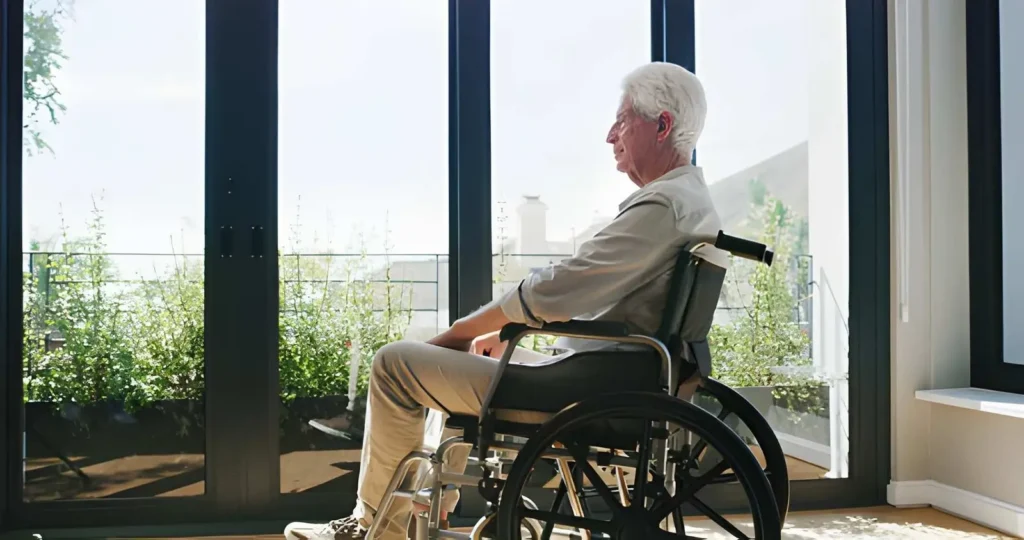
Many people wonder, is major depressive disorder a disability when depression starts affecting their work, relationships, and daily life. Major Depressive Disorder (MDD) is a serious mental health condition that goes beyond feeling sad for a short period. It can make even simple daily tasks feel difficult. Understanding how MDD affects a person’s life can help determine whether it qualifies as a disability and what support may be available. What Is Major Depressive Disorder? Is major depressive disorder a disability is a common question because MDD can have a major impact on a person’s ability to function. Major Depressive Disorder is a mental health condition that causes ongoing feelings of sadness, hopelessness, and a loss of interest in activities that were once enjoyable. These feelings can last for weeks, months, or longer. Unlike temporary sadness, MDD can interfere with work, school, and personal relationships. Symptoms of Major Depressive Disorder When discussing is major depressive disorder a disability, it is important to understand the symptoms. Common symptoms include constant sadness, low energy, trouble sleeping, changes in appetite, difficulty concentrating, and feelings of worthlessness. Some people may also lose interest in hobbies and social activities. The severity of these symptoms can vary from person to person, but they often make daily life more challenging. Causes and Risk Factors Many factors can contribute to MDD, which is why is major depressive disorder a disability does not always have the same answer for everyone. Depression may be caused by genetics, chemical imbalances in the brain, stressful life events, trauma, or long-term health conditions. A family history of depression can also increase the risk. Understanding these causes helps doctors create effective treatment plans. How MDD Affects Daily Life For many individuals asking is major depressive disorder a disability, the biggest concern is how it affects daily activities. MDD can make it difficult to focus, complete tasks, maintain relationships, and perform well at work. Some people struggle to get out of bed, while others find it hard to manage basic responsibilities. These challenges can reduce quality of life and make independence more difficult. Is Major Depressive Disorder Considered a Disability? The answer to is major depressive disorder a disability depending on the severity of the condition and how much it limits a person’s daily activities. In many cases, severe depression can be recognized as a disability if it significantly affects the ability to work or perform essential life tasks. Individuals seeking a depression disability status determination often need medical records and professional evaluations showing how depression impacts their daily functioning. Major Depressive Disorder and Social Security Disability People who ask is major depressive disorder a disability often want to know whether they can qualify for disability benefits. In some situations, individuals with severe depression may be eligible for government disability programs. Approval usually requires medical evidence, treatment history, and proof that symptoms make it difficult or impossible to maintain regular employment. This process is important for those applying for social security depression disability benefits. Social Security Disability Insurance (SSDI) When considering major depressive disorder as a disability, SSDI is one of the most common benefit programs available. Social Security Disability Insurance provides financial support to individuals who cannot work because of a qualifying medical condition. To receive benefits, applicants must provide medical records, treatment information, and evidence showing that depression prevents them from performing substantial work activities. Meeting MDD disability qualification requirements is an important part of the application process. When Depression Becomes Disabling Understanding is major depressive disorder. A disability often comes down to how much depression affects a person’s life. Depression may become disabling when symptoms continue despite treatment and seriously limit the ability to work, communicate, concentrate, or care for oneself. In severe cases, individuals may be unable to keep a job or manage daily responsibilities. These situations may qualify for depression disability benefits if all eligibility requirements are met. Conclusion Many people ask, is major depressive disorder a disability, and the answer depends on the severity of symptoms and their impact on everyday life. While not every case of depression qualifies as a disability, severe Major Depressive Disorder can meet the requirements for disability protections and benefits. Understanding the symptoms, treatment options, and eligibility criteria can help individuals make informed decisions and seek the support they need to contact us. Frequently Asked Questions 1. Is major depressive disorder a disability? Yes, severe cases may qualify as a disability when symptoms greatly affect daily life. 2. Can depression qualify for disability benefits? Yes, individuals with severe depression may qualify if they meet eligibility requirements. 3. What makes depression a disability? Depression may be considered a disability when it significantly limits daily activities and work. 4. Can I receive Social Security benefits for depression? Yes, some individuals with severe depression may qualify for disability benefits. 5. How is depression disability status determined? Medical records, treatment history, and functional limitations are usually considered during evaluation.
Can Therapy Help With Chronic Pain Management?

Living with therapy for chronic pain management is an experience that goes far beyond physical discomfort. It reshapes daily routines, limits independence, strains relationships, and profoundly affects mental and emotional well-being. For decades, medical treatment for chronic pain focused almost exclusively on the body medications, surgeries, physical interventions. Today, a growing body of evidence confirms that therapy for chronic pain management is not only helpful but essential, and in many cases, more effective than pharmacological approaches alone. How Therapy for Chronic Pain Management and Mental Health Are Connected Chronic pain and mental health exist in a bidirectional relationship. Pain causes psychological suffering, and psychological suffering amplifies pain perception. The brain structures that process pain including the amygdala, prefrontal cortex, and anterior cingulate cortex are the same structures involved in emotional regulation, memory, and stress response. This anatomical overlap helps explain why anxiety and depression are found in up to 60 percent of people with chronic pain conditions. When the nervous system becomes sensitized to pain signals a process known as central sensitization, even minor stimuli can trigger significant pain responses. Psychological stress is a known driver of central sensitization. This means that unresolved emotional trauma, ongoing anxiety, or untreated depression can quite literally keep the pain dial turned up in the brain. For those managing multiple health conditions, HealthBeam Wellness offers integrated care approaches that account for this complexity. Cognitive Behavioral Therapy for Pain Cognitive Behavioral Therapy (CBT) is the most extensively researched psychological intervention for chronic pain. CBT works by helping patients identify and challenge unhelpful thought patterns such as catastrophizing or learned helplessness that intensify pain perception and disability. Patients learn to reframe how they think about their pain, develop coping strategies, set realistic activity goals, and gradually re-engage with life activities they may have abandoned. Studies show that CBT for chronic pain leads to meaningful reductions in pain intensity, improved physical functioning, and lower rates of depression and anxiety. The benefits are lasting, which is a significant advantage over pain medications that often lose effectiveness over time and carry risks of dependency. For individuals who also manage conditions such as diabetes or metabolic disorders, coordinating pain therapy with existing care such as diabetes in pregnancy care ensures a holistic and safer treatment path. Acceptance and Commitment Therapy Acceptance and Commitment Therapy (ACT) is another evidence-based approach that has shown remarkable results in chronic pain populations. Rather than trying to eliminate pain, ACT helps patients change their relationship with it. The goal is psychological flexibility, the ability to accept discomfort without being controlled by it, and to pursue valued life activities despite ongoing pain. ACT teaches mindfulness skills, clarifies personal values, and builds commitment to meaningful action. People who complete ACT programs often report that while their pain may not be gone, it no longer dominates their lives. This shift in perspective can be profoundly life-changing, particularly for those who have spent years attempting to achieve complete pain relief through biomedical means alone. The Role of Somatic and Body-Oriented Therapies Beyond talk-based therapies, somatic approaches recognize that the body holds trauma and stress in physical form. Techniques such as somatic experiencing, sensorimotor psychotherapy, and body scan mindfulness help patients tune into physical sensations without judgment, gradually reducing the threat response associated with pain. These approaches are particularly useful for individuals whose chronic pain has roots in trauma or adverse childhood experiences. Telehealth platforms have greatly expanded access to these specialized therapies. Many patients who once had to travel long distances to see pain psychologists can now access services conveniently and consistently. Telehealth services for pain and mental health make it easier to maintain regular therapy attendance, which is key to achieving lasting results. Consistency is especially critical in the early stages of therapy when new neural pathways are being formed. Building a Multidisciplinary Pain Care Team The most effective approach to chronic pain management is multidisciplinary bringing together physicians, psychologists, physical therapists, and nutritionists to address pain from every angle. Within this framework, therapy is not an add-on; it is a cornerstone. Research on interdisciplinary pain programs consistently shows that they outperform single-discipline approaches on nearly every outcome measure, including pain reduction, functional improvement, and return to work. If you or someone you love has been struggling with chronic pain and has not yet explored psychological treatment, now is the time. Reaching out through a dedicated wellness contact portal can connect you with professionals who understand how to treat the whole person, not just the symptom. Frequently Asked Questions Q: What type of therapy is best for chronic pain? A: CBT and ACT are the most evidence-supported therapies for reducing chronic pain and its psychological impact. Q: Does therapy actually reduce physical pain? A: Yes, therapy can physically alter pain perception by reducing central sensitization and changing how the brain processes pain signals. Q: How long does therapy for chronic pain take? A: Most structured programs last 8 to 12 weeks, though some individuals benefit from longer-term support. Q: Can therapy replace pain medications? A: In some cases, yes. Therapy often reduces reliance on medications, though this should always be supervised by a doctor. Q: Is online therapy effective for chronic pain? A: Research supports the effectiveness of online CBT and ACT for chronic pain, with results comparable to in-person formats.
How Sleep Disorders Are Linked to Mental Health
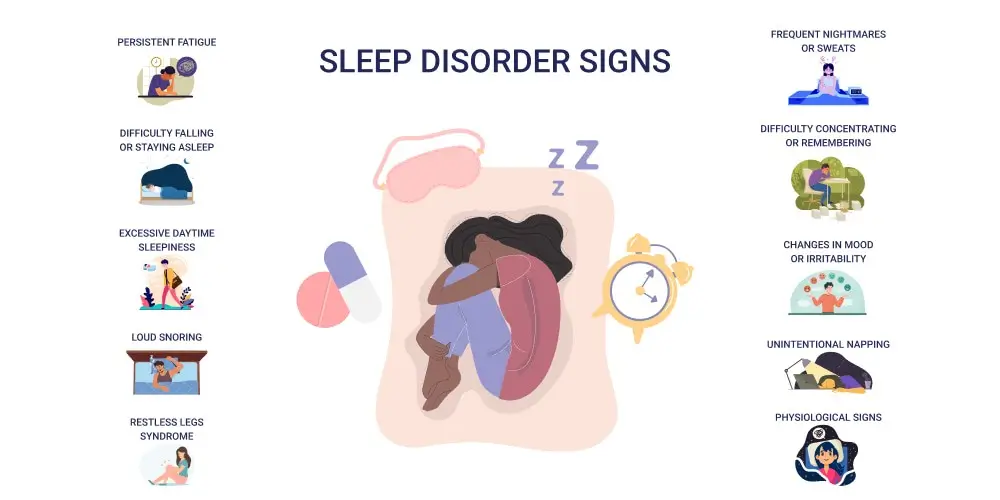
Sleep disorders linked to mental health, it is a biological necessity. Yet millions of people struggle to get adequate, restful sleep every night. What many people fail to recognize is that poor sleep and mental health problems are not just related; they are deeply intertwined in a cycle that can be difficult to break without proper guidance. Understanding how sleep disorders are linked to mental health is the first step toward recovery and genuine well-being. The Science Behind Sleep and the Brain When you sleep, your brain is not simply resting. It is actively consolidating memories, regulating emotions, and restoring chemical balance. Neurotransmitters like serotonin and dopamine both critical for mood regulation are replenished during deep sleep stages. When sleep is disrupted, these processes are interrupted, leaving the brain in a state of chemical imbalance that closely resembles what happens during depression and anxiety disorders. Research consistently shows that insomnia and anxiety feed off each other. People with anxiety often lie awake ruminating, which prevents sleep. The resulting sleep deprivation then amplifies anxious thoughts, creating a feedback loop that worsens over time. Similarly, sleep deprivation and depression are so closely tied that difficulty sleeping is one of the primary diagnostic criteria for major depressive disorder. At HealthBeam Wellness, professionals are trained to recognize this overlap and develop comprehensive care plans that address both conditions simultaneously. Common Sleep Disorders and Their Mental Health Impact Several recognized sleep disorders have direct, measurable effects on mental health outcomes. Insomnia characterized by difficulty falling or staying asleep is among the most common and is strongly associated with depression, anxiety, and even suicidal ideation in severe cases. Sleep apnea, a condition in which breathing repeatedly stops during sleep, leads to chronic oxygen deprivation and fragmented sleep, contributing to cognitive impairment, irritability, and mood disorders. REM sleep disruption is particularly significant in the context of mental health. REM sleep is the stage during which emotional memories are processed and regulated. When REM cycles are disrupted through substances, stress, or untreated sleep disorders linked to mental health conditions individuals may experience heightened emotional reactivity, intrusive thoughts, and difficulty managing everyday stressors. For those managing chronic illness or complex health conditions, integrating sleep support with broader health management, such as comprehensive diabetes self-management education, can be essential for whole-person care. Post-Traumatic Stress, Nightmares, and Sleep Disorders Linked to Mental One of the most well-documented relationships between mental health and sleep occurs in individuals with post-traumatic stress disorder (PTSD). Nightmares and hyperarousal are hallmark symptoms of PTSD, and they severely compromise sleep quality. The resulting exhaustion worsens hypervigilance, emotional numbing, and intrusive thinking during waking hours, creating a vicious cycle of trauma re-experiencing and sleep loss. Treatment for PTSD-related sleep disturbances often requires a multi-modal approach that includes trauma-focused therapy, medication, and sleep hygiene interventions. Telehealth has made accessing such care more convenient than ever, and services like telehealth mental health support allow patients to receive consistent care from the comfort of their homes, removing the logistical barriers that often prevent people from seeking help. Breaking the Cycle: Treatment Approaches The good news is that both sleep disorders linked to mental health and their associated mental health challenges are treatable. Cognitive Behavioral Therapy for Insomnia (CBT-I) is considered the gold standard treatment and has been shown to outperform sleep medications in long-term outcomes. It works by identifying and restructuring the thoughts and behaviors that perpetuate insomnia. Mindfulness-based therapies, relaxation techniques, and stimulus control strategies are also effective. Improving sleep hygiene, maintaining consistent sleep and wake times, reducing screen exposure before bed, creating a cool and dark sleeping environment can have a meaningful impact on both sleep quality and mental health. For individuals dealing with co-existing medical conditions, personalized care coordination is essential. You can reach out through the HealthBeam Wellness contact page to explore tailored options. When to Seek Professional Help If you have been experiencing persistent difficulty sleep disorders linked to mental health for more than three weeks, or if poor sleep is interfering with your mood, work, or relationships, it is time to speak with a professional. Sleep disorders are medical conditions, not character flaws, and they deserve proper clinical attention. Early intervention prevents the escalation of both sleep and mental health problems, reducing the risk of long-term disability and chronic illness. Mental health professionals can conduct thorough assessments to determine whether insomnia, sleep apnea, or another sleep condition is contributing to psychological symptoms. With the right support, restoring healthy sleep can be transformative not just for how you feel in the morning, but for your entire quality of life. FAQs Q: Can sleep disorders cause mental illness? Yes, chronic sleep problems can trigger or worsen conditions like depression, anxiety, and PTSD. Q: What is the most common sleep disorder linked to depression? Insomnia is the most commonly reported sleep disorder among people with depression. Q: How does REM sleep affect mental health? REM sleep regulates emotional memory; disruptions can lead to heightened anxiety and mood instability. Q: Can treating insomnia improve mental health symptoms? Absolutely. CBT-I and sleep hygiene improvements often reduce depression and anxiety symptoms significantly. Q: How many hours of sleep does the brain need for mental health? Most adults need 7 to 9 hours of quality sleep per night to maintain healthy mental function.
How to Support a Spouse With Bipolar Disorder
Supporting spouse with bipolar disorder is one of the most complex and emotionally demanding roles a partner can take on. Bipolar disorder is a mental health condition marked by dramatic shifts in mood, energy, and behavior cycling between manic highs and depressive lows. These episodes can impact every part of daily life, including your relationship, finances, parenting, and emotional wellbeing. If your spouse has been diagnosed with bipolar disorder, know that you are not alone, and with the right knowledge and tools, your marriage can remain strong and loving. At Grace Mental Wellness, we believe that both partners deserve care, compassion, and professional support. This guide will walk you through practical, evidence-backed strategies to help you show up for your spouse without losing yourself in the process. Understand the condition deeply Education is your most powerful tool. Bipolar disorder is not simply mood swings it is a diagnosable neurological condition that responds to treatment. There are several types, including Bipolar I, Bipolar II, and Cyclothymia, each involving different intensities of manic and depressive episodes. Learning the difference between these types, recognizing your spouse’s specific triggers, and understanding how their medication works will help you respond with empathy instead of frustration during difficult moments. Communicate clearly and calmly during stable periods One of the most effective strategies is to have honest, structured conversations when your spouse is stable. During episodes, especially manic ones, logic and reasoning are often not effective. Instead, use calm periods to discuss boundaries, agree on a crisis plan, talk through finances, and set shared expectations. Write things down together so both of you can refer back to agreements without debate during harder moments. Recognize your own limits and avoid caregiver burnout Many partners of people supporting spouse with bipolar disorder fall into a pattern of over-functioning managing appointments, medications, moods, and household responsibilities alone. This is a path toward caregiver burnout. It is critical to acknowledge that you cannot pour from an empty cup. Set realistic boundaries around what you can and cannot manage. Seek support through individual therapy, support groups for partners of people with mental illness, or counseling through a trusted provider like Grace Mental Wellness. Support treatment without controlling it Your spouse’s treatment is ultimately their responsibility, but your encouragement matters enormously. Gently remind them of medication schedules, celebrate their therapy wins, and make it easier for them to keep appointments. Avoid becoming their doctor or therapist; that role will erode the spousal relationship. Instead, be their biggest advocate for professional care rather than their sole source of support. Build a shared crisis plan Every couple navigating bipolar disorder benefits from a well-developed crisis plan. This document should outline early warning signs of episodes, emergency contact numbers, hospital preferences, medication lists, and steps each partner agrees to take when an episode begins. Review it together every few months and update it as your understanding of the condition grows. Having this plan removes uncertainty and reduces fear, for both of you. Take care of your emotional health Living with a spouse who has bipolar disorder can bring up grief, anger, love, exhaustion, and pride often all in the same week. These emotions are valid. Individual therapy can help you process the unique stresses of your relationship without putting extra emotional weight on your spouse. If your marriage is under significant strain, couples therapy with a therapist who understands mood and anxiety disorders can be a powerful resource. Find community and connection Isolation is one of the most common struggles for spouses of people with bipolar disorder. Many partners feel they cannot talk openly about their experiences out of loyalty or fear of stigma. Seek out peer support communities, either local or online, where you can speak freely with others who understand your reality. Knowledge shared in the community is deeply healing. The more connected you stay with your own support network, the more sustainably you can show up for your spouse. Supporting a spouse with bipolar disorder is a long-term commitment that requires patience, flexibility, and ongoing education. But with the right resources and professional support, your relationship can not only survive, it can grow in depth and resilience. Reach out to Grace Mental Wellness to learn about our services and how we can support both you and your spouse on this journey. Frequently asked questions Can a marriage survive bipolar disorder? Yes. Many couples navigate bipolar disorder successfully with open communication, professional support, and a strong crisis plan in place. How do I talk to my spouse during a manic episode? Stay calm, use short sentences, avoid arguing, and prioritize safety. Save deeper conversations for when your spouse is in a stable state. Should I remind my spouse to take their medication? Gentle reminders are fine, but avoid controlling the process. Agree together on how much involvement your spouse wants from you around medication management. What is caregiver burnout and how do I avoid it? Caregiver burnout happens when you take on too much responsibility for your partner’s wellbeing. Prevent it by setting limits, seeking your own therapy, and maintaining personal relationships outside your marriage. Where can I find professional support? Grace Mental Wellness offers compassionate mental health services for individuals and couples. Visit our contact page to connect with our team.
Teen Depression Signs Every Parent Must Know Now
Teen depression signs for parents is more common than most parents realize and it often looks nothing like adult depression. Knowing what to look for could change everything for your child. Children who grow up in homes where mental health is discussed openly are far more likely to seek help when they need it. But first, you need to know what depression actually looks like in a teenager. It is rarely the classic picture of a person sobbing in a dark room. In teens, depression is often masked by anger, physical complaints, or simply silence. Grace Mental Wellness has compiled the seven most critical warning signs to watch for, along with guidance on what to do when you see them. 7 warning teen depression signs for parents Persistent sadness or emotional emptiness While every teenager experiences emotional ups and downs, depression involves a low mood that persists on most days for two weeks or more. Your teen may seem visibly sad, tearful, or perhaps more concerningly emotionally flat and hollow. They may describe feeling numb, like nothing matters, or as though they cannot connect with things that once made them happy. Unlike temporary bad moods triggered by specific events, this sadness has a pervasive, lingering quality that does not lift with good news or fun activities. If you notice this pattern lasting beyond two weeks without a clear situational cause, take it seriously and begin an open, gentle conversation with your child. Social withdrawal and isolation One of the most visible signs of depression in teenagers is a marked withdrawal from friends, family, and activities they once loved. Your once-social teen may stop responding to messages, cancel plans consistently, quit a sport or creative club they were passionate about, and retreat to their room for hours at a time. This is more than normal teenage introversion. Depressed teens often describe feeling disconnected from the people around them even when in the same room like watching life from behind glass. The isolation tends to deepen the depression, creating a cycle that is hard to exit without external support. If your teen has stopped engaging with their social world, this warrants your compassionate attention and possibly a professional evaluation from a provider like Grace Mental Wellness. Changes in sleep and appetite Depression reliably disrupts the body’s most basic rhythms. Watch for dramatic, sustained changes in how your teen sleeps and eats. Some depressed teens sleep excessively ten, twelve, or more hours per day while others experience insomnia, lying awake for hours unable to quiet their thoughts. Similarly, appetite may disappear entirely or reverse into compulsive overeating, particularly of high-sugar or processed foods as a form of emotional self-soothing. These physical symptoms are among the most measurable signs that something is wrong beneath the surface. When changes in sleep and eating persist beyond a week or two without an obvious cause such as illness, it is time to consider the possibility that your teen’s mental health is suffering. Declining academic performance Depression significantly impairs concentration, working memory, decision-making, and motivation all of which are central to academic functioning. If your teen’s grades have dropped suddenly and significantly, if they are missing school frequently with vague excuses, or if teachers are flagging them as disengaged, distracted, or emotionally flat in the classroom, depression may be a primary driver. This is especially noteworthy in a student who was previously engaged and performing well. Academic underperformance in a once-capable student deserves attention that goes beyond tutoring or stricter studying habits. Look at the full picture of your child’s life rather than isolating the grades as a standalone problem. Irritability and anger outbursts This is one of the most misunderstood and overlooked signs of teen depression. While adults with depression often present with sadness and low energy, teenagers frequently experience depression primarily as irritability, hostility, and explosive anger. Your teen may snap at family members over minor things, slam doors, become verbally aggressive, or have emotional outbursts that seem wildly out of proportion to the situation. Many parents mistake this pattern for typical teenage defiance or a discipline problem when it is actually an emotional cry for help. If you are also seeing possible anxiety symptoms alongside this irritability such as restlessness, excessive worry, or avoidance both conditions may need to be addressed together. Expressions of hopelessness or worthlessness When a teenager begins making statements like “nothing I do matters,” “I’m a complete failure,” “nobody actually cares about me,” or “I wish I wasn’t here,” these should never be dismissed as dramatic or attention-seeking behavior. Expressions of hopelessness and worthlessness are among the most serious and clinically significant symptoms of depression. In their most severe form, they can be precursors to thoughts of self-harm or suicide. If your teen says anything that hints at not wanting to be alive even casually or as a joke take it completely seriously. Respond with calm, open curiosity rather than alarm, and seek professional support promptly. You can reach a caring team at Grace Mental Wellness to discuss next steps. Unexplained physical complaints The mind-body connection is real, and in teenagers, depression frequently shows up as persistent physical symptoms. Frequent headaches, stomachaches, nausea, back pain, and generalized fatigue especially when no medical cause is found after proper evaluation can all be rooted in mental health. Many depressed teens make repeated visits to the school nurse or family doctor, sincerely experiencing physical discomfort without understanding its emotional origins. If your teen regularly complains of feeling unwell and medical tests continue to come back clear, strongly consider consulting a mental health professional. Physical and emotional symptoms in adolescents are often intertwined in ways that require a holistic approach to treat effectively. Learn more about comprehensive care options at Grace Mental Wellness. When and how to seek help If you recognize three or more of the warning signs above in your teenager especially if they have been present for two weeks or longer this is your signal to act. Do not wait for