

Major Depressive Disorder, Recurrent, Moderate with Anxious Distress ICD-10
What Is Major Depressive Disorder, Recurrent, Moderate with Anxious Distress? Major depressive disorder recurrent moderate icd 10 refers to a specific clinical classification used by healthcare providers to identify a pattern of recurring depressive episodes of moderate severity, often accompanied by significant anxiety symptoms. This condition is more than occasional sadness; it is a serious mental health disorder in which depressive episodes return over time, disrupting daily functioning, relationships, and overall quality of life. The “anxious distress” specifier indicates that the individual also experiences prominent symptoms of anxiety alongside their depression, such as tension, worry, or restlessness. This combination often makes the condition more difficult to manage and requires targeted treatment. At Grace Mental Wellness LLC, our clinicians are experienced in evaluating and treating this specific presentation of depression. Understanding the Moderate ICD-10 Code for Recurrent Depression When clinicians use the term major depressive disorder recurrent moderate ICD-10, they are referring to a coding system that categorizes the severity and pattern of depressive illness. The Moderate ICD-10 Code classification indicates that symptoms are neither mild nor severe they are functionally impairing but do not reach the level of complete incapacitation. In a recurrent pattern, the person has experienced two or more distinct depressive episodes in their lifetime. The “moderate” designation reflects a middle ground where the individual may still perform basic daily tasks but struggles significantly with energy, concentration, mood, and motivation. Accurate use of this code helps insurance providers, treatment teams, and researchers communicate consistently about the nature and severity of the condition. What Is ICD-Code F33.1 and What Does It Mean? The ICD-Code F33.1 is the specific alphanumeric code assigned to major depressive disorder recurrent moderate ICD-10 under the International Classification of Diseases, Tenth Revision. The “F” indicates a mental and behavioral health disorder, “33” refers to recurrent depressive disorder, and “.1” specifies the moderate severity level. Clinicians and billing departments use this code when documenting a patient’s diagnosis in medical records and insurance claims. ICD-Code F33.1 helps ensure that patients receive appropriate coverage for their treatment and that providers communicate clearly across different healthcare settings. When anxious distress is a prominent feature, this specifier is added alongside the code to give a fuller clinical picture. Understanding this code empowers patients to engage more confidently in conversations about their diagnosis and care. Symptoms of Recurrent Moderate Depression with Anxious Distress The symptoms associated with major depressive disorder recurrent moderate ICD-10 are both emotional and physical, and they significantly affect everyday life. Core depressive symptoms include persistent low mood, loss of interest in previously enjoyed activities, fatigue, changes in sleep and appetite, difficulty concentrating, and feelings of worthlessness or guilt. When the anxious distress specifier applies, additional symptoms such as excessive worry, feeling tense or on edge, fear that something terrible will happen, and difficulty relaxing are also present. The combination of depression and anxiety often intensifies the overall burden of the disorder. Individuals may feel both emotionally heavy and restless at the same time, which can be particularly distressing. Common Causes and Risk Factors Understanding the causes of major depressive disorder recurrent moderate ICD-10 helps clinicians and patients develop more effective prevention and treatment strategies. Depression is caused by a complex interaction of genetic, neurological, psychological, and environmental factors. A family history of depression significantly increases an individual’s risk. Imbalances in brain chemicals such as serotonin, dopamine, and norepinephrine are frequently implicated. Chronic stress, trauma, loss, relationship difficulties, and major life changes can trigger or worsen depressive episodes. Medical conditions including thyroid disorders and chronic pain may also contribute. People with a history of anxiety disorders, substance use, or previous depressive episodes face a higher risk of recurrence. Identifying personal risk factors is an important part of building a lasting recovery plan. How Doctors Diagnose This Condition Diagnosing major depressive disorder recurrent moderate ICD-10 requires a thorough clinical assessment by a licensed mental health or medical professional. The diagnostic process includes a detailed review of the patient’s symptom history, their duration, frequency, and impact on functioning. Clinicians use structured interviews and validated assessment tools such as the PHQ-9 to measure symptom severity. A diagnosis of recurrent moderate MDD requires that the individual has experienced at least two separate depressive episodes, with the current episode meeting criteria for moderate severity. Medical causes of depressive symptoms such as hypothyroidism or vitamin deficiencies are ruled out through laboratory testing. The anxious distress specifier is added when the patient reports prominent anxiety features throughout the episode. Accurate diagnosis is foundational to effective treatment planning. Treatment Options for Moderate Recurrent Major Depressive Disorder Treatment for major depressive disorder recurrent moderate ICD-10 typically involves a combination of psychotherapy and pharmacotherapy. Cognitive Behavioral Therapy (CBT) remains the gold-standard psychological treatment, helping patients identify and change negative thought cycles that fuel depression. Interpersonal Therapy (IPT) is also effective, particularly when relationship issues contribute to depressive episodes. Antidepressant medications most commonly SSRIs and SNRIs are widely prescribed and have strong evidence for moderate depression. When anxious distress is present, treatment must also address anxiety symptoms, sometimes requiring adjustments to medication type or dosage. Lifestyle interventions including regular exercise, structured sleep routines, and nutritional support complement formal treatment. The specialists at Grace Mental Wellness LLC create individualized care plans that address both the depressive and anxious dimensions of this condition. Depression Facts & Statistics You Should Know When considering major depressive disorder recurrent moderate ICD-10, it is helpful to understand the broader context of how depression affects people globally. Depression Facts & Statistics reveal that major depressive disorder is one of the leading causes of disability worldwide, affecting more than 280 million people according to the World Health Organization. In the United States alone, an estimated 21 million adults experienced at least one major depressive episode in 2023. Recurrent depression is particularly common; studies suggest that after a first episode, the risk of a second is approximately 50 percent, and after two episodes, the risk of a third rises to 70 percent. Women are diagnosed with depression
How Does Illness Anxiety Disorder VS Somatic Symptom Disorder?
What Is Somatic Symptom Disorder and Illness Anxiety Disorder? Understanding illness anxiety disorder vs somatic symptom disorder in 2026 begins with knowing what each condition actually means. Both are mental health conditions that involve an unusual focus on physical health, but they differ in important ways. Somatic Symptom Disorder and Illness Anxiety Disorder are recognized diagnoses in the DSM-5 and affect millions of people worldwide. Somatic Symptom Disorder involves real, distressing physical symptoms that cause excessive thoughts and behaviors. Illness Anxiety Disorder, on the other hand, involves intense fear of having a serious illness even when physical symptoms are absent or very mild. At Grace Mental Wellness LLC, our specialists help clients navigate both conditions with personalized, evidence-based care. Key Differences Between Illness Anxiety Disorder and Somatic Symptom Disorder When exploring illness anxiety disorder vs somatic symptom disorder in 2026, the most important distinction lies in whether physical symptoms are present. In Somatic Symptom Disorder, the person experiences genuine physical complaints such as pain, fatigue, or shortness of breath, and these symptoms cause significant distress. In Illness Anxiety Disorder, the physical symptoms are minimal or nonexistent, yet the person remains consumed by the fear that something is seriously wrong with their body. Another key difference is behavioral — people with Illness Anxiety Disorder frequently seek reassurance from doctors or completely avoid medical care out of fear. Those with Somatic Symptom Disorder tend to focus intensely on their physical sensations and how they disrupt daily life. Understanding these differences is critical for accurate diagnosis and effective treatment. Symptoms That Help Distinguish Both Mental Health Conditions Recognizing illness anxiety disorder vs somatic symptom disorder in 2026 through their symptoms helps clinicians and patients make sense of what they are experiencing. Illness Anxiety Disorder symptoms include persistent fear of illness, excessive health-related internet searches, frequent doctor visits for reassurance, and an inability to be calmed by negative test results. Somatic Symptom Disorder symptoms include one or more physical complaints that are either disproportionate to any underlying medical condition or have no identifiable medical explanation, alongside excessive anxiety, time, and energy devoted to those symptoms. Both conditions cause significant emotional distress and interfere with normal functioning. Causes and Risk Factors You Should Know The causes of illness anxiety disorder vs somatic symptom disorder in 2026 are not fully understood, but research points to a combination of psychological, biological, and environmental factors. A history of childhood trauma, abuse, or neglect can increase the risk of developing either condition. People who grew up in households where illness received significant attention may also be more vulnerable. Neurological differences in how the brain processes physical sensations and threat perception play a role as well. Anxiety disorders, depression, and a personal or family history of mental illness are common risk factors for both conditions. Stressful life events, major life transitions, and a history of serious medical illness can trigger or worsen symptoms. Understanding these risk factors can support earlier intervention and better long-term outcomes. Learn more about how we approach anxiety disorder treatment at Grace Mental Wellness LLC. Illness Anxiety Disorder vs Hypochondriasis: Are They the Same? A frequently asked question when studying illness anxiety disorder vs somatic symptom disorder in 2026 is how these conditions relate to the older term “hypochondriasis.” Illness anxiety disorder vs hypochondriasis is essentially a matter of updated terminology when the DSM-5 replaced the DSM-IV in 2013, the diagnosis of hypochondriasis was largely replaced by two new categories: Illness Anxiety Disorder and Somatic Symptom Disorder. Most people previously diagnosed with hypochondriasis would now fall under one of these two diagnoses depending on whether significant physical symptoms are present. The core feature remains the same an irrational and persistent preoccupation with health but the updated classification allows for more precise and clinically useful distinctions. This change reflects the field’s evolving understanding of how health anxiety presents across different individuals. How Doctors Diagnose These Disorders Diagnosing illness anxiety disorder vs somatic symptom disorder in 2026 requires a careful clinical evaluation that rules out underlying medical conditions. Physicians and mental health professionals begin by reviewing the patient’s full medical history, current symptoms, and emotional patterns. Extensive medical testing is often performed to exclude physiological causes, particularly in cases of Somatic Symptom Disorder where real physical symptoms are present. A mental health evaluation explores the patient’s thoughts, behaviors, and emotional responses to their physical concerns. Diagnosis requires that symptoms persist for at least six months and cause significant distress or functional impairment. Clinicians also assess how much time and energy the person devotes to health concerns daily. Accurate diagnosis is the foundation of effective treatment. Should You Take a Somatic Symptom Disorder Test? In the context of illness anxiety disorder vs somatic symptom disorder in 2026, many people wonder whether a somatic symptom disorder test can help identify their condition. Screening tools such as the Patient Health Questionnaire-15 (PHQ-15) and the Somatic Symptom Scale-8 (SSS-8) are commonly used by clinicians to measure the severity of somatic symptoms. These assessments help identify patterns of physical complaints and the degree of distress they cause. However, no self-administered test can replace a comprehensive clinical evaluation by a licensed mental health professional. Online tests may raise awareness, but they should always be followed by a formal consultation. If a screening suggests elevated somatic symptoms or health anxiety, the next step is to seek an in-depth evaluation from a qualified provider. Treatment Options for Illness Anxiety and Somatic Symptom Disorder Effective treatment for illness anxiety disorder vs somatic symptom disorder in 2026 typically involves psychotherapy, and in some cases medication. Cognitive Behavioral Therapy (CBT) is the most well-supported psychological treatment for both conditions. CBT helps patients identify and restructure unhelpful thoughts about illness and bodily sensations, and gradually reduce avoidance or reassurance-seeking behaviors. Mindfulness-based therapies and Acceptance and Commitment Therapy (ACT) are also showing strong results. Antidepressants, particularly SSRIs and SNRIs, are sometimes prescribed when anxiety or depression accompanies the primary condition. A collaborative approach between the patient, therapist, and primary care
How Does Persistent Depressive Disorder Differ From Recurrent Major Depressive Disorder?
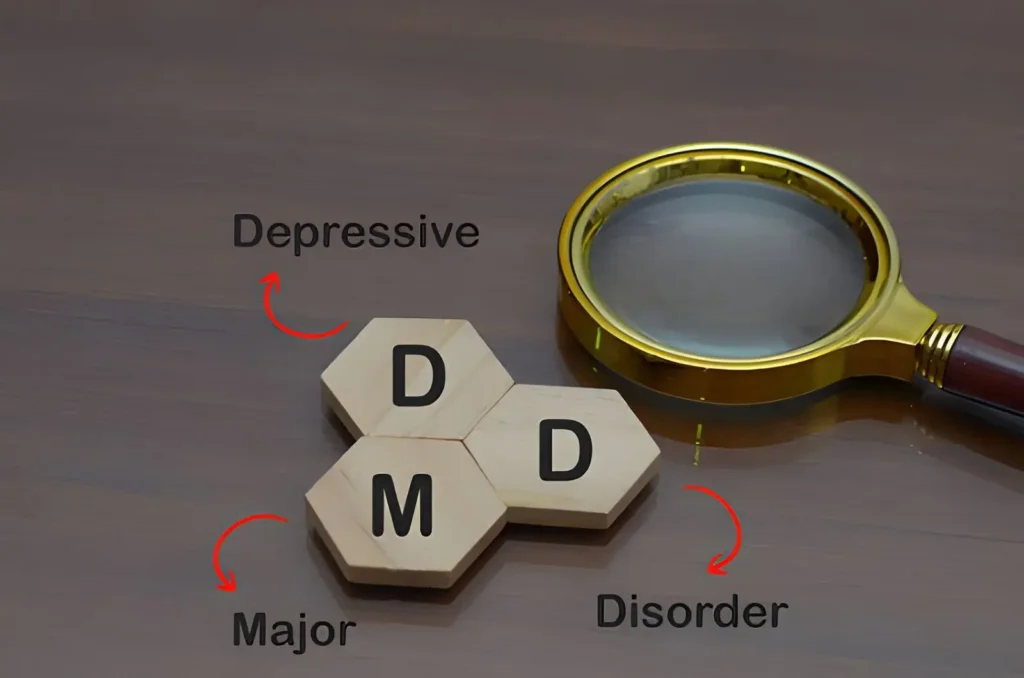
Depression is rarely a one-size-fits-all experience. It can manifest as a sudden, overwhelming wave that halts your life completely, or it can linger as a low-grade, heavy fog that follows you for years. Recognizing these subtle shifts in mental health is the first step toward getting the right help. Professional environments like Grace Mental Wellness LLC offer specialized support to identify these distinct patterns and guide individuals toward stability. When exploring your options or seeking a diagnosis, understanding the differences in a persistent vs major depressive disorder comparison is essential for tailoring your approach to recovery. The Core Differences: Intensity Persistent vs Major Depressive Disorder At its core, the main clinical distinction between these two conditions comes down to how long the symptoms last and how severe they feel on a daily basis. Essentially, PDD is a marathon of mild to moderate symptoms, whereas MDD consists of intense, acute sprints of severe emotional and physical exhaustion. Recognizing Dysthymia Symptoms To understand PDD, it helps to look closely at the classic dysthymia symptoms that define the condition. Because these symptoms are less severe than an acute depressive breakdown, they are frequently dismissed as mere personality traits or temporary burnout. People living with PDD often experience a persistent vs major depressive disorder low energy or chronic fatigue, even when sleeping well. They frequently battle low self-esteem, intense self-criticism, and feelings of inadequacy. Poor appetite or overeating, insomnia or hypersomnia, and difficulty concentrating or making decisions are also highly common. The hallmark of PDD is a general sense of joylessness. Life feels flat, gray, and monotonous, rather than sharply painful. Evaluating the Depression Duration Criteria The diagnostic timelines set by the American Psychiatric Association are crucial for a formal mood disorder comparison. Clinicians use these specific milestones to differentiate between chronic conditions and episodic depression. According to the official depression duration criteria, PDD requires a depressed mood to be present for most of the day, for more days than not, for at least two consecutive years (one year for children and adolescents). During this two-year window, the individual cannot be free of symptoms for more than two months at a time. In contrast, a single episode of persistent vs major depressive disorder only requires symptoms to be present for a minimum of two weeks. However, during those two weeks, the symptoms must represent a distinct change from previous functioning and must include either a depressed mood or a total loss of interest or pleasure in nearly all activities. Identifying Long-Term Depression Signs Living with a long-term mood disorder alters how a person interacts with the world over time. Spotting the subtle, long term depression signs can help you determine if you or someone you care about is dealing with a chronic underlying condition. People with chronic depression often adapt their entire lives around their low mood, a phenomenon sometimes referred to as high-functioning depression. They may show up to work and fulfill basic social duties, but they withdraw from hobbies, experience an ongoing lack of motivation, and consistently feel pessimistic about the future. Over time, this chronic mental strain can cause noticeable changes in baseline behavior. If you notice these shifts, seeking a professional Psychiatric Assessment is highly recommended to clarify the underlying cause and ensure you aren’t simply trying to “tough out” a treatable medical condition. Conclusion Understanding how persistent vs major depressive disorder highlights the importance of precise, personalized mental health care. Whether you are dealing with a long-standing, quiet, heavy fog or sharp, disruptive emotional episodes, you do not have to navigate the weight of depression alone. Reaching out to a team of dedicated professionals can help you regain your energy and build a meaningful path forward. For comprehensive support, expert clinical evaluations, and compassionate care, connect with Grace Mental Wellness LLC today to take the next step toward long-term emotional well-being. Frequently Asked Questions 1. Can you have PDD and MDD at the same time? This is called double depression, where someone with Persistent Depressive Disorder develops a Major Depressive Episode. 2. Is Persistent Depressive Disorder a permanent disability? It depends on how much your symptoms affect your ability to work and manage daily life. 3. Do medications work differently for PDD and MDD? PDD often requires long-term medication and therapy because it is a chronic condition. 4. Can lifestyle changes cure long-term depression? Healthy habits can improve symptoms but usually work best alongside professional treatment. 5. How do I know if it’s depression or just grief or burnout? Grief and burnout usually improve over time. If low mood lasts for more than two years, it may be Persistent Depressive Disorder.
Does Major Depressive Disorder Count as Permanently and Totally Disabled?
Living with severe depression can fundamentally alter every aspect of your life, from your relationships to your ability to maintain a career. When a mental health condition becomes this pervasive, managing daily responsibilities can feel entirely out of reach. For veterans and individuals seeking support, navigating clinical care is an essential step toward finding stability. Organizations like Grace Mental Wellness LLC provide dedicated treatment programs to help individuals manage severe psychological conditions. When symptoms remain unmanageable despite intensive clinical interventions, many begin to wonder: does major depressive disorder count as permanently and totally disabled in the eyes of the government and the Department of Veterans Affairs (VA)? What Does a Permanent and Total Disability Rating Mean? The VA uses specific terminology when classifying long-term, highly severe conditions. A permanent and total disability rating (often referred to as P&T) is actually a combination of two distinct legal definitions: When the VA grants P&T status for a mental health condition like major depression, it provides immense peace of mind. It means the VA will no longer schedule you for routine future re-examinations, and your monthly compensation is securely locked in. Furthermore, it opens up a wide array of ancillary benefits, including healthcare and educational assistance for your dependents. When Does Depression Qualify as Permanent and Total? Mental health conditions fluctuate, which is why the VA is often hesitant to label depression as “permanent” right away. To move from a standard schedular rating to a permanent status, your medical history must tell a clear story of chronic, treatment-resistant depression. The VA typically considers depression permanent and total under the following circumstances: The Intersection of PTSD and Total Disability It is incredibly common for veterans to suffer from more than one mental health condition simultaneously. Many individuals dealing with severe depression are also navigating the aftermath of trauma, leading to overlapping diagnoses of PTSD and total disability. Injured Veterans When filing a claim, it is crucial to understand that the VA does not issue separate, stackable percentage ratings for individual mental health diagnoses. Under the VA’s pyramid rule, you cannot be compensated twice for the same symptom (such as sleep disturbances or social isolation) because doing so would constitute pyramiding. Trajector Medical Instead, the VA evaluates all of your mental health symptoms collectively under a single rating category. Whether your chart reads Major Depressive Disorder, Generalized Anxiety, or PTSD, the examiner looks at the total cumulative impact these symptoms have on your ability to work and communicate. If the combined weight of your trauma and depression causes a total breakdown in occupational and social environments, you can achieve a 100% total disability rating. Overcoming Unemployability Due to Depression For many people, the most devastating aspect of severe chronic depression is the toll it takes on a professional life. Chronic fatigue, cognitive slowing, severe panic attacks, and an inability to handle workplace stress can result in total unemployability due to depression. Hill & Ponton If your depression keeps you from maintaining a regular, steady job, you do not necessarily have to meet the exceptionally strict requirements of a 100% schedular rating. The VA recognizes that a veteran rated at 70% or 80% can be just as unable to work as someone rated at 100%. After Service LLC+ 1 If your service-connected depression destroys your capability to hold down what the VA defines as “substantially gainful employment,” the pathway to securing maximum compensation shifts from proving absolute clinical panic to proving complete economic impairment. How to File a TDIU Claim for Depression To bridge the gap between a partial rating and maximum financial compensation, you can file a Total Disability based on Individual Unemployability (TDIU claim). This benefit pays you at the 100% financial compensation rate even if your actual condition is rated lower. To qualify for standard schedular TDIU under the current guidelines, you must meet the following criteria: To build a winning case for severe depression disability benefits through TDIU, you must submit VA Form 21-8940 along with strong supporting evidence. This includes detailed employment history reports, statements from past employers detailing why you were let go or couldn’t sustain your performance, and specific medical opinions from your doctors detailing your cognitive and social workplace limitations. Conclusion Determining whether major depressive disorder counts as permanently and totally disabled ultimately depends on your treatment history and how thoroughly your symptoms restrict your daily life. While securing a permanent and total designation requires patience and clear documentation, it provides critical long-term security. If you or a loved one are experiencing severe depressive episodes and require dedicated, empathetic care to find a baseline of wellness, reaching out for clinical support is a vital step. For personalized assessment and expert mental health management, contact Grace Mental Wellness LLC today to connect with professionals who can support you through your recovery. Frequently Asked Questions 1. Can a 70% VA rating for depression become permanent and total? A 70% rating can become Permanent and Total if the VA grants TDIU and determines your condition is unlikely to improve. 2. Does the VA automatically review a Permanent and Total rating? The VA usually does not schedule routine future exams once a Permanent and Total rating is granted unless you file a new claim or fraud is suspected. 3. What is the difference between a 100% schedular rating and TDIU? A 100% schedular rating is based on the severity of your condition. TDIU pays at the 100% rate because your service-connected disability prevents you from working. 4. Can I work with a total disability rating for depression? Veterans with a 100% schedular rating may work, while those receiving TDIU are generally limited to marginal employment. 5. How can I tell if my VA rating is permanent? Check your VA Rating Decision letter. It will state whether Permanent and Total status is granted or if no future exams are scheduled.
How Does the VA Rate Major Depressive Disorder? Eligibility, Criteria, and Compensation Explained

Dealing with depression can feel like an uphill battle, especially when it stems from or was worsened by your military service. If you are a veteran navigating these challenges, finding professional support is a critical first step. Places like Grace Mental Wellness LLC provide specialized mental health care and comprehensive evaluation options to help individuals understand their symptoms and find a path forward. When it comes to securing financial support and benefits for your condition, understanding the major depressive disorder va rating process is essential. Navigating the Department of Veterans Affairs (VA) claims system can feel overwhelming, but breaking down how the VA evaluates mental health conditions can help you secure the compensation you deserve. Eligibility for a Mental Health Disability Claim To receive VA compensation for depression, you must first establish that your condition qualifies for disability benefits. Filing a successful mental health disability claim requires proving to the VA that your mental health challenges are directly linked to your time in the military. The major depressive disorder va rating requires three specific elements to establish service connection for any mental health condition, including Major Depressive Disorder (MDD): Establishing this service connection is the foundation of your claim. Without clear evidence linking your current mental state to your military history, the VA cannot assign a rating, regardless of how severe your symptoms might be. Understanding Service-Connected Depression Depression can manifest in many ways following military life. The VA recognizes multiple pathways to establish service-connected depression, depending on how and when your symptoms developed. 1.Direct Service Connection: This applies if your depression developed directly as a result of your military experiences, such as combat exposure, military sexual trauma (MST), or operational stress. 2. Secondary Service Connection: Many veterans develop depression as a secondary condition stemming from a service-connected physical injury. For example, living with severe chronic back pain or a traumatic brain injury (TBI) frequently leads to clinical depression. If your physical injuries caused your mental health to decline, you can claim depression as secondary to those conditions. 3. Service Aggravation: If you suffered from depression before entering the military, but your time in the service made the condition measurably worse, you may qualify for benefits under service aggravation. The VA Depression Rating Criteria Explained Once service connection is confirmed, the VA evaluates the severity of your symptoms to assign a VA disability rating for depression. The VA rates all mental health conditions under a single general rating formula found in the Schedule for Rating Disabilities (38 CFR § 4.130). Ratings are assigned in percentages: 0%, 10%, 30%, 50%, 70%, or 100%. The major depressive disorder va rating looks closely at how your depression impacts your social life and your occupational efficiency. During this evaluation, clinicians often look closely at your treatment history. For instance, whether your symptoms are stable or require active Medication Management plays a significant role in demonstrating the ongoing nature of your condition. The depression rating criteria are broken down by percentage based on symptom severity: What to Expect at Your C&P Exam The Compensation and Pension (C&P) exam is a pivotal step in your claims journey. The major depressive disorder va rating schedules this medical exam to evaluate the current severity of your symptoms. A licensed psychologist or psychiatrist will interview you using a standard form called a Disability Benefits Questionnaire (DBQ). To properly prepare for a C&P exam for a major depressive disorder va rating, it is crucial to be entirely honest about your worst days. Many veterans make the mistake of putting on a brave face or saying they are “doing fine” out of habit. If you minimize your symptoms, the examiner will note that your functioning is higher than it actually is, resulting in a lower rating. Reviewing past evaluations, such as an initial Psychiatric Assessment or therapy notes, can help you accurately articulate the frequency and depth of your depressive episodes to the examiner. Bring a spouse, family member, or close friend to the exam if possible, or have them write a “buddy letter.” They can provide first-hand accounts of how your depression affects your behavior when you are at home. Maximizing Your VA Compensation for Depression The final rating assigned to your claim determines the monthly tax-free financial benefit you receive. Securing the correct major depressive disorder va rating compensation for depression requires ensuring the VA has an accurate picture of your daily limitations.If your depression prevents you from maintaining what the VA calls “substantially gainful employment,” you may qualify for Individual Unemployability (TDIU), even if your combined disability rating does not equal 100%. If you receive a rating that you believe is too low for your actual level of impairment, remember that you have the right to appeal. You can submit a Supplemental Claim with new medical evidence, request a Higher-Level Review by a senior claims adjuster, or appeal directly to the Board of Veterans’ Appeals. Conclusion Securing the proper major depressive disorder va rating clear medical documentation, a solid understanding of the VA rating tiers, and the courage to speak openly about how depression impacts your life. If you find yourself struggling with severe depressive symptoms or need a supportive environment to address your mental health challenges, professional resources are available to help you navigate your healing journey. For individualized, compassionate mental health care and professional guidance, consider reaching out to Grace Mental Wellness LLC to explore treatment options tailored to your specific needs. Frequently Asked Questions 1. Can I get a 100% VA disability rating for depression? A 100% rating is possible if your depression causes total occupational and social impairment, preventing you from working or managing daily life independently. 2. How long does a VA depression claim take? Most claims take 3–6 months. Processing time depends on the complexity of your case and how quickly medical evidence is reviewed. 3. Will the VA review my depression rating? The VA may schedule future reviews if your condition could improve. Permanent ratings are generally not reviewed routinely.
What Are Sleep Disorders and How Do They Affect Your Health?
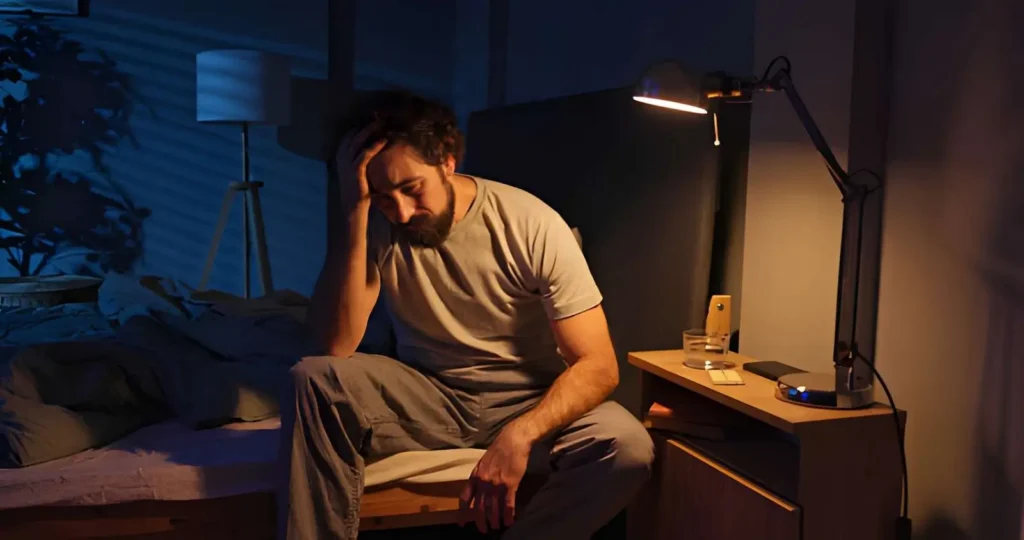
Many people occasionally struggle to fall asleep, but persistent disruptions often point to chronic sleep disorder symptoms. When a person cannot get restorative rest, their body fails to repair itself overnight, leading to severe mental and physical fatigue. Prolonged sleep deprivation weakens the immune system and impairs cognitive functions like memory, focus, and emotional regulation. If you struggle with chronic fatigue, exploring professional support through Grace Mental Wellness can help you identify underlying sleep disorders and reclaim your vitality. Common Types of Sleep Disorder and Their Warning Signs Understanding the different classifications of sleep disorders is the first step toward getting targeted, effective help. Insomnia remains the most prevalent issue, characterized by difficulty falling or staying asleep despite having the time and environment to do so. Other major sleep disorders include sleep apnea, which causes breathing to repeatedly stop and start, and restless legs syndrome, an irresistible urge to move the limbs. Recognizing these warning signs early prevents these conditions from taking over your daily life. Main Causes of Sleep Disorder Symptoms You Should Understand The root causes behind various sleep disorders often stem from a complex mix of physical, psychological, and environmental factors. Chronic stress, anxiety, and depression are major mental health triggers that keep the brain too active at night to achieve deep rest. Additionally, medical issues, neurological conditions, or poor scheduling can disrupt your body’s internal clock and trigger severe sleep disorders. For individuals managing complex psychiatric or neurological triggers, proper medication management can be a highly effective component of a comprehensive treatment plan. Symptoms of Sleep Disorders You Should Never Ignore While daytime sleepiness is the most obvious indicator, many other subtle symptoms point directly toward underlying sleep disorders. Frequent waking during the night, loud snoring, gasping for air, and morning headaches are classic signs that your sleep cycle is broken. Experiencing chronic irritability, mood swings, and a total lack of energy during daytime hours also signals that sleep disorders are affecting your brain health. Ignoring these warnings can lead to long-term health decline, making early intervention essential. How Doctors Diagnose Different Types of Sleep Disorders Diagnosing specific sleep disorder symptoms a detailed evaluation by medical professionals who specialize in sleep medicine and psychological health. Doctors typically start by analyzing a patient’s comprehensive medical history, daily habits, and a detailed log of their nightly rest patterns. To confirm specific sleep disorders, specialists often recommend an overnight sleep study, also known as a polysomnography, to track brain waves, oxygen levels, and heart rates. This detailed data allows clinicians to create a highly accurate and personalized care protocol. Sleep Disorder Treatment Options for Better Rest and Health Once a proper diagnosis is made, addressing sleep disorder symptoms usually involves a customized combination of medical therapies and behavioral interventions. Cognitive Behavioral Therapy for Insomnia (CBT-I) is widely considered the gold standard for resetting negative thoughts around bedtime. For structural or neurological issues, doctors might recommend specialized equipment, target therapies, or medical guidance tailored to your specific sleep disorders to ensure your brain gets the deep, restorative recovery phases it requires. Lifestyle Changes That Help Improve Sleep Quality Naturally Alongside medical guidance, making deliberate everyday adjustments plays a massive role in managing and overcoming various sleep disorder symptoms. Establishing a strict sleep schedule by waking up and going to bed at identical times builds a powerful natural rhythm. Minimizing caffeine intake, avoiding heavy meals before bed, and keeping your bedroom completely dark and cool reduces the impact of sleep disorders. Regular physical activity during the day also burns excess energy, helping your mind settle down smoothly at night. Rare Sleep Disorders and Their Unique Symptoms Explained Beyond common insomnia, several rare sleep disorders present highly unusual symptoms that require specialized clinical knowledge to identify and manage. Conditions like narcolepsy cause sudden, uncontrollable bouts of daytime sleepiness, while parasomnias trigger complex behaviors like sleepwalking or night terrors. These unique sleep disorder symptoms can be incredibly distressing for patients because they completely blur the line between being awake and asleep. Specialized neurological and psychiatric care is vital to help patients navigate these complex conditions safely. When to Seek Medical Help for Ongoing Sleep Problems You should look for professional guidance if your struggle with sleep lasts longer than a few consecutive weeks. Experiencing extreme daytime fatigue that puts your safety at risk while driving is a clear sign that sleep disorder symptoms require immediate clinical intervention. If lifestyle changes fail to provide relief and your exhaustion damages your career or relationships, specialized help is necessary. Do not hesitate to contact us today to discover dedicated support strategies designed to help you overcome debilitating sleep disorders. Frequently Asked Questions What is the main cause of sleep disorders? Stress, medical issues, and poor bedtime habits frequently combine to cause chronic sleep disruptions. Can anxiety cause severe sleep disorders? Yes, high anxiety keeps your brain alert, making it very difficult to fall asleep. How do doctors test for sleep disorders? Physicians use detailed medical histories and overnight sleep studies to accurately diagnose these conditions. Can lifestyle changes fix sleep issues? Consistent schedules and reducing caffeine can successfully resolve mild forms of sleep disruptions naturally. Are sleep disorders dangerous to health? Untreated sleep issues significantly increase your risk for heart disease, obesity, and severe depression.
How Homeopathic Remedies May Help Obsessive Compulsive Disorder

Living with persistent, intrusive thoughts can feel overwhelming, but exploring a holistic approach like a homeopathic remedy for obsessive compulsive disorder offers a gentle path toward mental balance. Many individuals seek alternative strategies to manage their mental well-being, looking for natural ways to calm an overactive mind. Utilizing comprehensive support platforms like Grace Mental Wellness can help you integrate these complementary approaches safely into your daily routine. By focusing on individualized care, homeopathy aims to address the root emotional and physical imbalances rather than just masking the outward signs of distress. What Is Obsessive Compulsive Disorder (OCD)? Obsessive Compulsive Disorder is a chronic mental health condition characterized by uncontrollable, recurring thoughts and behaviors that a person feels the urge to repeat. When exploring a holistic homeopathic remedy for obsessive compulsive disorder, it is vital to understand that classic care focuses heavily on the individual’s unique experience of these intrusive patterns. Traditional definitions classify it as an anxiety disorder where distress drives repetitive cycles, making targeted, personalized support essential for long-term relief. Common Symptoms of Obsessive Compulsive Disorder The manifestations of this condition generally fall into distinct categories, including symmetry, cleaning, and harmful taboos. If you are tracking these distressing patterns to find an appropriate homeopathic remedy for obsessive compulsive disorder, identifying specific triggers is the first step. For those exploring comprehensive therapeutic options, reviewing specialized wellness services can provide deeper insight into how structured behavioral care pairs with natural healing modalities. Causes and Risk Factors of OCD While the exact origins remain complex, a mix of genetic, neurological, and environmental factors typically drive these behaviors. Integrating a natural homeopathic remedy for obsessive compulsive disorder requires looking at how stress or genetic traits influence brain chemistry. Often, sudden life changes or prolonged trauma can trigger a severe onset, making a deeply personalized assessment crucial for finding the right therapeutic match. How Homeopathic Remedies May Help Obsessive Compulsive Disorder Homeopathy operates on the principle of “like cures like,” utilizing highly diluted substances to trigger the body’s natural healing mechanisms. Choosing a tailored homeopathic remedy for obsessive compulsive disorder allows practitioners to select substances that mirror the exact nature of the patient’s anxiety and mental fixation. This natural stimulus encourages the nervous system to self-regulate, reducing the intensity of repetitive mental loops over time. Common Homeopathic Remedies for OCD Symptoms Practitioners frequently select specific mineral or plant-based compounds depending on how the anxiety manifests. For instance, an individual dealing with deep-seated irritability or outbursts alongside fixations might benefit from a specific homeopathic medicine for anger to soothe their emotional volatility. Matching the exact presentation of symptoms to a corresponding homeopathic remedy for obsessive compulsive disorder ensures the body receives the precise energetic support it needs to process stress cleanly. Benefits of Homeopathic Treatment for OCD One of the primary advantages of holistic care is the complete absence of harsh side effects or dependency risks. A selected homeopathic remedy for obsessive compulsive disorder works naturally with your biology, promoting gradual, sustainable improvements in emotional resilience. For individuals navigating complex mental health challenges or recovering from physiological stressors, checking a substance abuse evaluation can ensure all aspects of behavioral health are safely monitored alongside natural care. Homeopathy vs Conventional OCD Treatment Standard medical interventions typically rely heavily on Selective Serotonin Reuptake Inhibitors (SSRIs) and rigorous cognitive behavioral therapy. In contrast, choosing a homeopathic remedy for obsessive compulsive disorder offers a non-invasive alternative that avoids the sedation or emotional blunting sometimes caused by conventional prescriptions. While pharmaceuticals modify chemistry synthetically, holistic remedies seek to stimulate the body’s innate capacity for self-correction and long-term stabilization. Serotonin Homeopathic Medicine and Its Role in OCD Care Because neurotransmitter balance plays a massive role in mood regulation, natural practitioners often look for ways to optimize brain signaling safely. Utilizing a specialized serotonin homeopathic medicine can help stabilize emotional processing without the heavy risks associated with synthetic alternatives. When paired with a comprehensive homeopathic remedy for obsessive compulsive disorder, this targeted approach helps smooth out the sharp spikes of anxiety that drive compulsive checking and cleaning. Lifestyle Tips to Support OCD Management A holistic healing journey is most effective when backed by solid daily habits that promote nervous system health. While identifying the right homeopathic remedy for obsessive compulsive disorder is essential, adding grounding physical practices helps anchor your mental progress. When to Seek Professional Help for OCD When intrusive thoughts begin to interfere significantly with your career, relationships, or daily functioning, reaching out for expert guidance is imperative. A professional practitioner can evaluate your unique symptom profile to recommend a precise homeopathic remedy for obsessive compulsive disorder that safely matches your needs. Early intervention provides the best framework for rebuilding mental peace before complex behavioral habits become deeply ingrained. Can Homeopathy Be Used Alongside Other OCD Treatments? Many individuals successfully combine holistic micro-doses with traditional counseling to create a comprehensive, multi-layered recovery plan. Incorporating a gentle homeopathic remedy for obsessive compulsive disorder alongside talk therapy can accelerate your emotional grounding without causing negative drug interactions. If you are ready to explore a customized, supportive approach to your mental wellness, feel free to contact us directly to learn more about our integrated programs. Conclusion Finding relief from rigid mental cycles requires patience, a dedicated care plan, and a willingness to explore personalized holistic solutions. Incorporating a targeted homeopathic remedy for obsessive compulsive disorder allows you to address deep emotional stressors naturally and safely. For those looking to quiet a restless mind and find deeper relaxation, incorporating a gentle homeopathic sedative can further ease physical tension, opening the door to lasting mental clarity and peace. Frequently Asked Questions Is OCD curable naturally? Natural remedies help reduce symptom severity and improve daily emotional regulation effectively. Can kids use homeopathy? Yes, natural remedies provide a safe, gentle, and side-effect-free option for children. How fast does it work? Chronic conditions typically require several weeks of consistent, tailored treatment to show deep improvement. Does diet affect anxiety? Yes, reducing sugar and caffeine directly stabilizes the
Top-Rated Obsessive Compulsive Disorder Rehab Centers

Finding the right support for complex mental health conditions requires specialized, compassionate care. At our top-rated obsessive compulsive disorder rehabs, we provide comprehensive treatment environments designed to help individuals regain control over their lives. Managing intrusive thoughts and repetitive behaviors demands clinical expertise and a structured approach. Choosing dedicated obsessive compulsive disorder rehabs ensures that patients receive evidence-based interventions tailored specifically to their unique challenges, fostering a community of healing and long-term stability. If you are ready to explore your options, you can learn more at Grace Mental Wellness. What Is Obsessive Compulsive Disorder (OCD)? Obsessive Compulsive Disorder is a chronic mental health condition characterized by uncontrollable, reoccurring thoughts (obsessions) and behaviors (compulsions) that an individual feels the urge to repeat over and over. Within specialized obsessive compulsive disorder rehabs, clinicians break down how these patterns trap individuals in exhausting cycles. Seeking help at dedicated obsessive compulsive disorder rehabs allows individuals to understand the neurological and psychological roots of their condition, shifting the focus from blame to active, specialized management. Signs and Symptoms of Obsessive Compulsive Disorder Recognizing the warning signs is the first step toward finding effective professional care. Common symptoms include an overwhelming fear of contamination, extreme needs for symmetry, and repetitive checking or cleaning compulsions that disrupt daily living. Specialized obsessive compulsive disorder rehabs monitor these behavioral expressions closely to determine the severity of the condition. By identifying these disruptive patterns early, obsessive compulsive disorder rehabs can step in before the cycles severely impact an individual’s career, relationships, and physical well-being. Explore our specific clinical services to see how we address these symptoms. When to Choose a Rehab for OCD It can be difficult to know when outpatient therapy is no longer enough and a higher level of structured care is necessary. When daily rituals consume hours each day or cause severe emotional distress, entering specialized obsessive compulsive disorder rehabs becomes a critical next step. Making the decision to enroll in obsessive compulsive disorder rehabs provides a safe, immersive environment away from everyday triggers. This dedicated focus allows individuals to dedicate all their energy toward breaking compulsive cycles under 24/7 medical and psychological supervision. Finding a specialized rehab for ocd ensures that the clinical environment is optimized for this specific recovery process. How Rehab for Obsession Supports Recovery An immersive treatment environment offers tools and perspectives that traditional weekly therapy sessions simply cannot replicate. Inpatient obsessive compulsive disorder rehabs offer a structured daily routine that minimizes anxiety-inducing variables while teaching real-time coping mechanisms. Experiencing treatment inside obsessive compulsive disorder rehabs empowers individuals to face their fears without reverting to their usual compulsive habits. This intensive, round-the-clock guidance is why a dedicated rehab for obsession provides such a powerful foundation for sustainable behavioral change. Compulsive Intervention for Long-Term Healing Sometimes, a structured, professional conversation is necessary to help a loved one recognize the severity of their condition and accept clinical help. Professional obsessive compulsive disorder rehabs often assist families in organizing a compassionate, structured approach to guide their loved ones into treatment. Utilizing specialized teams from obsessive compulsive disorder rehabs ensures that the process remains supportive rather than confrontational. Planning a formal compulsive intervention can successfully break through denial, opening the door to immediate, life-saving psychiatric care. For comprehensive clinical assessments, including a substance abuse evaluation if co-occurring struggles are present, professional guidance is available. Evidence-Based Therapies for Obsessive Compulsive Disorder Effective treatment relies on clinically proven modalities that actively retrain the brain’s response to anxiety and intrusive thoughts. At our obsessive compulsive disorder rehabs, Exposure and Response Prevention (ERP) serves as the gold standard of care. Clinicians in obsessive compulsive disorder rehabs guide patients to confront their triggers safely without performing their usual compulsive rituals. Over time, this evidence-based approach helps desensitize the brain’s fear response, significantly reducing the power that obsessions hold over daily life. Inpatient and Outpatient Obsessive Compulsive Disorder Rehab Programs Treatment needs vary, which is why a complete continuum of care includes both residential and flexible day programs. Residential obsessive compulsive disorder rehabs provide a highly structured environment ideal for severe symptoms that disrupt basic functioning. Conversely, outpatient options at obsessive compulsive disorder rehabs allow individuals to receive intensive therapy while maintaining their work or school schedules. Matching the appropriate program level to the patient’s specific symptom severity ensures the highest probability of lasting therapeutic success. Personalized Treatment Plans for Every Patient No two individuals experience anxiety or behavioral compulsions in the exact same way, meaning a cookie-cutter approach to therapy rarely works. Premier obsessive compulsive disorder rehabs conduct thorough psychological evaluations to build custom treatment paths for every resident. By prioritizing individualized care, obsessive compulsive disorder rehabs can adjust therapy modalities, medication management, and holistic activities to match the patient’s pace. This precise personalization ensures that every root cause of the condition is thoroughly addressed. Dual Diagnosis Treatment for Co-Occurring Disorders It is common for individuals struggling with severe anxieties to develop secondary challenges, such as depression or substance use disorders, as a way to self-medicate. Integrated obsessive compulsive disorder rehabs are fully equipped to treat these complex, co-occurring conditions simultaneously. Addressing all mental health challenges together at obsessive compulsive disorder rehabs prevents one condition from triggering a relapse in the other. This holistic, dual-diagnosis approach ensures a much stronger, more resilient foundation for overall psychological health. Family Support and Counseling During Recovery Recovery does not happen in a vacuum, and healing the surrounding support system is vital for long-term success after leaving a facility. Leading obsessive compulsive disorder rehabs incorporate family therapy sessions to educate loved ones on the nature of the condition. Through the guidance of obsessive compulsive disorder rehabs, families learn how to provide healthy support without accidentally enabling or reinforcing compulsive behaviors. This collaborative approach creates a safe, understanding home environment that sustains recovery long after treatment ends. Why Choose Our Obsessive Compulsive Disorder Rehab Center? Our facility combines world-class clinical expertise with a deeply compassionate, community-focused environment. Choosing our specialized obsessive compulsive disorder rehabs means gaining
Is Generalized Anxiety Disorder considered a service-connected condition?

Veterans frequently struggle with severe mental health challenges after their time in uniform, making a generalized anxiety disorder va rating a critical lifeline for financial and medical support. The Department of Veterans Affairs legally recognizes chronic anxiety as a potentially disabling condition that can stem directly from active-duty military service. If a veteran’s mental health symptoms are tied to their time in the military, securing a proper GAD VA rating ensures they receive the necessary compensation to manage their condition effectively. What Does Service-Connected Mean in VA Disability Claims? To secure a generalized anxiety disorder va rating, a veteran must first understand the legal concept of service connection. “Service-connected” means that a veteran’s current psychological or physical diagnosis was caused by, or aggravated by, an event, injury, or illness during active duty. Establishing this link is the foundation of any successful VA anxiety rating, proving to the government that the military environment directly impacts the individual’s long-term mental well-being and ability to function normally. Can Generalized Anxiety Disorder Be Service Connected? Yes, a veteran can absolutely receive a generalized anxiety disorder va rating if they prove their mental illness relates directly to their military background. The VA evaluates how the psychological condition interferes with the veteran’s social life, occupational performance, and day-to-day emotional stability. By looking at these life impacts, the VA assigns a percentage that reflects the severity of the VA disability GAD, opening doors to specialized medical care and monthly financial support. Common Causes of Service-Connected GAD in Veterans The development of a high generalized anxiety disorder va rating is often rooted in the intense, high-stress environments unique to military life. Veterans frequently endure prolonged periods of sleep deprivation, intense combat exposure, toxic leadership, or the sudden loss of close comrades. These intense stressors can fundamentally alter the brain’s fear response, turning everyday worries into an unmanageable, chronic psychological condition that follows a service member long after they separate from the armed forces. How the VA Proves Service Connection for Anxiety Disorders Securing a favorable generalized anxiety disorder va rating requires establishing a clear, undeniable legal link between past service and current psychological struggles. The VA looks for a “nexus,” which is an official medical opinion verifying that the veteran’s mental health issues are likely tied to their military history. Without this clear bridge linking past events to current symptoms, an anxiety VA claim rating can be difficult to secure, leaving the veteran without necessary benefits. Required Medical Evidence for GAD Service Connection To successfully establish your generalized anxiety disorder va rating, you must provide robust, well-documented evidence to the claims adjusters. This includes an official diagnostic assessment from a licensed mental health professional detailing your symptoms. Additionally, you should submit military personnel files, detailed service medical records, and comprehensive treatment histories that demonstrate a consistent pattern of psychological distress beginning or worsening during your time in the active-duty military. Challenges in Getting GAD Approved as Service Connected Many veterans face significant roadblocks when trying to secure a generalized anxiety disorder VA rating due to strict VA bureaucratic hurdles. A common challenge is a lack of documented mental health treatment during active duty, often caused by military culture discouraging personnel from seeking psychological help. Additionally, the VA may try to argue that a veteran’s anxiety stems entirely from pre-existing childhood trauma or post-service life changes rather than their military duties. Tips to Strengthen Your Service-Connected GAD Claim You can strengthen your generalized anxiety disorder va rating claim by gathering detailed personal statements and buddy letters from family, friends, or fellow service members who witnessed your behavioral changes. It is also highly beneficial to secure an independent medical opinion from a private psychiatrist to counter negative VA exam results. Keeping a daily symptom log documenting how your chronic panic attacks interfere with your work performance will further validate your claim. Conclusion Navigating the complex paperwork required to secure a generalized anxiety disorder va rating can feel incredibly overwhelming, but obtaining these vital benefits is essential for your long-term recovery. Proper medical documentation, strong personal narratives, and expert clinical guidance are the keys to overcoming bureaucratic hurdles. If you need professional psychological evaluations or expert guidance to support your ongoing journey toward mental health recovery, please contact us today. Frequently Asked Questions Q1: What are the possible VA ratings for GAD? A1: The VA assigns ratings of 0%, 10%, 30%, 50%, 70%, or 100% based on social and occupational impairment. Q2: Can I claim GAD secondary to a physical injury? A2: Yes, you can claim anxiety as secondary if chronic physical pain from a service-connected injury caused your mental health condition. Q3: What happens during a VA C&P exam for anxiety? A3: A VA psychologist will interview you about your military history, current symptoms, and how anxiety disrupts your daily life. Q4: Can a 70% GAD rating qualify me for TDIU? A4: Yes, if your 70% anxiety rating prevents you from maintaining substantially gainful employment, you may qualify for total disability. Q5: Will my GAD rating automatically decrease over time? A5: No, ratings only decrease if the VA schedules a re-examination and finds sustained, material medical improvement in your daily life.
How Trembling Anxiety Disorder Affects Daily Life and Mental Health
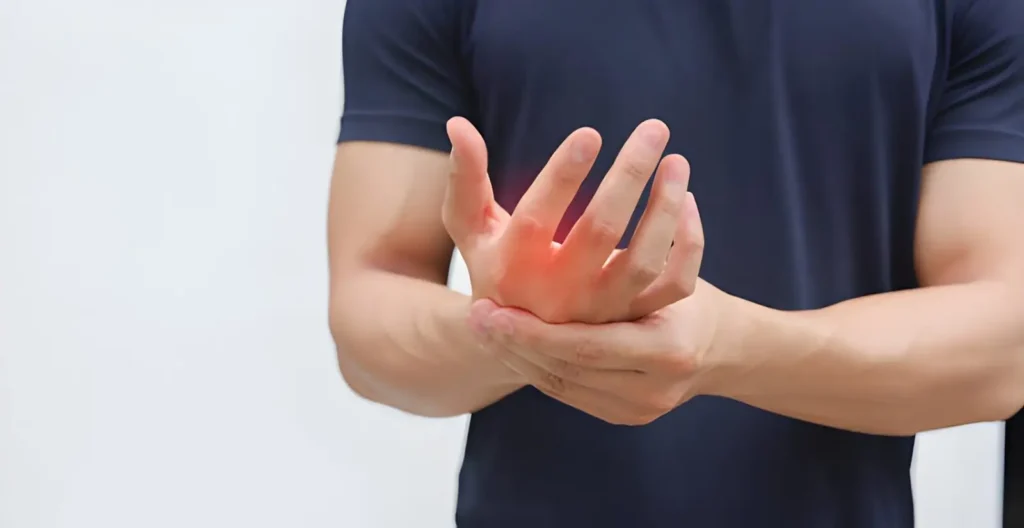
Living with trembling anxiety disorder erodes both physical independence and emotional stability. Simple daily tasks like pouring a drink or typing turn into frustrating hurdles, triggering intense embarrassment. This physical vulnerability deeply harms mental health, fueling constant anticipatory fear, low self-esteem, and social isolation as individuals withdraw to hide their visible shaking from others. What Is Trembling Anxiety Disorder? Living with trembling anxiety disorder can feel overwhelming, especially when your body reacts before your mind even processes a stressful event. This condition goes beyond typical emotional stress, manifesting as uncontrollable physical shaking or twitching when the nervous system becomes overloaded. Many individuals experience intense anxiety shaking symptoms that make it difficult to feel in control of their own bodies. Understanding this physical response is the first step toward finding relief. Common Symptoms of Trembling Anxiety Disorder The primary feature of trembling anxiety disorder is physical instability, but it rarely occurs in isolation. Individuals often notice their hands shaking, their knees turning to jelly, or a fluttering sensation in their chest during high-stress moments. Dealing with trembling from anxiety can trigger secondary symptoms like a rapid heart rate, short breaths, and sudden hot flashes. These combined physical signs create a distressing cycle that amplifies a person’s overall sense of panic. Why Anxiety Causes Shaking and Tremors When trembling anxiety disorder takes over, it activates the body’s primitive fight-or-flight survival mechanism. This biological reaction floods your bloodstream with stress hormones like adrenaline and cortisol, shifting your muscles into high alert. This sudden surge of physical tension often results in stress induced trembling, which is essentially your body trying to release excess trapped energy. While it feels frightening, it is a natural, involuntary neurological response to perceived danger. How Trembling Anxiety Disorder Impacts Daily Activities The physical disruptions caused by trembling anxiety disorder can quickly make routine, everyday tasks feel incredibly daunting. Simple activities like typing on a keyboard, holding a morning cup of coffee, or writing a signature can become frustrating challenges. This physical struggle often leads to avoidance behaviors, where individuals skip social gatherings or important work meetings out of fear that others will notice their visible shaking and judge them. Effects of Trembling Anxiety Disorder on Mental Health The chronic nature of trembling anxiety disorder takes a massive emotional toll on an individual’s long-term psychological well-being. Constantly worrying about when the next shaking episode will strike generates severe anticipatory panic and exhaustion. This persistent state of physical and mental tension can lower self-esteem and lead to deep isolation, making it vital to seek comprehensive anxiety tremors treatment to restore internal peace and emotional stability. Treatment Options for Trembling Anxiety Disorder Overcoming trembling anxiety disorder requires a balanced approach combining professional medical care, lifestyle adjustments, and therapeutic coping strategies. Cognitive Behavioral Therapy (CBT) helps patients reframe stressful thoughts, while mindfulness and deep-breathing exercises actively soothe the overactive nervous system. In many cases, medical management helps regulate the body’s physical stress response, drastically reducing the frequency and severity of uncontrollable shaking episodes so patients can regain control. Conclusion Managing trembling anxiety disorder requires patience, self-compassion, and the right professional support system by your side. Physical shaking is a visible sign of an overloaded nervous system, not a personal weakness or failure. Recovery is entirely possible when you address both the psychological roots and the physical symptoms of your stress. If you or a loved one are ready to take back control, please contact us to start your healing journey today. Frequently Asked Questions Can anxiety tremors cause permanent harm? No, the shaking associated with this condition is a temporary response to stress hormones and does not cause permanent nerve or muscle damage. How long does anxiety shaking usually last? Most episodes subside within 15 to 30 minutes as your adrenaline levels naturally decrease and your nervous system cools down. Does cutting out caffeine stop the shaking? Yes, reducing caffeine and sugar can significantly lower your baseline physical tension, making tremors less frequent and less intense. Is trembling a sign of a brain disease? While it mimics other conditions, anxiety-driven shaking is strictly tied to emotional stress. A medical professional can rule out other causes. How do I quickly stop my hands shaking? Practicing slow, deep diaphragmatic breathing and intentionally tensing then releasing your muscle groups can rapidly calm physical tremors.