

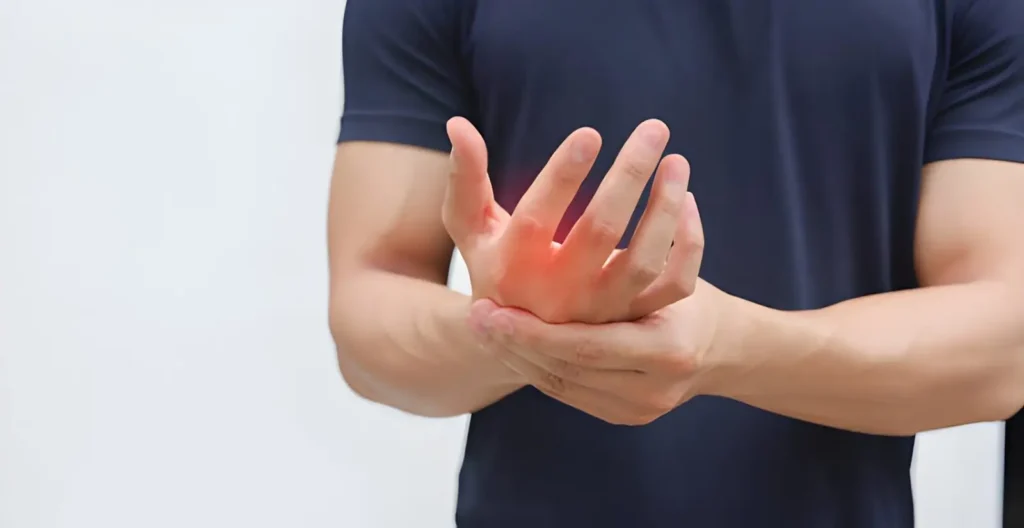
Living with trembling anxiety disorder erodes both physical independence and emotional stability. Simple daily tasks like pouring a drink or typing turn into frustrating hurdles, triggering intense embarrassment. This physical vulnerability deeply harms mental health, fueling constant anticipatory fear, low self-esteem, and social isolation as individuals withdraw to hide their visible shaking from others.
What Is Trembling Anxiety Disorder?
Living with trembling anxiety disorder can feel overwhelming, especially when your body reacts before your mind even processes a stressful event. This condition goes beyond typical emotional stress, manifesting as uncontrollable physical shaking or twitching when the nervous system becomes overloaded. Many individuals experience intense anxiety shaking symptoms that make it difficult to feel in control of their own bodies. Understanding this physical response is the first step toward finding relief.
Common Symptoms of Trembling Anxiety Disorder
The primary feature of trembling anxiety disorder is physical instability, but it rarely occurs in isolation. Individuals often notice their hands shaking, their knees turning to jelly, or a fluttering sensation in their chest during high-stress moments. Dealing with trembling from anxiety can trigger secondary symptoms like a rapid heart rate, short breaths, and sudden hot flashes. These combined physical signs create a distressing cycle that amplifies a person’s overall sense of panic.
Why Anxiety Causes Shaking and Tremors
When trembling anxiety disorder takes over, it activates the body’s primitive fight-or-flight survival mechanism. This biological reaction floods your bloodstream with stress hormones like adrenaline and cortisol, shifting your muscles into high alert. This sudden surge of physical tension often results in stress induced trembling, which is essentially your body trying to release excess trapped energy. While it feels frightening, it is a natural, involuntary neurological response to perceived danger.
How Trembling Anxiety Disorder Impacts Daily Activities
The physical disruptions caused by trembling anxiety disorder can quickly make routine, everyday tasks feel incredibly daunting. Simple activities like typing on a keyboard, holding a morning cup of coffee, or writing a signature can become frustrating challenges. This physical struggle often leads to avoidance behaviors, where individuals skip social gatherings or important work meetings out of fear that others will notice their visible shaking and judge them.
Effects of Trembling Anxiety Disorder on Mental Health
The chronic nature of trembling anxiety disorder takes a massive emotional toll on an individual’s long-term psychological well-being. Constantly worrying about when the next shaking episode will strike generates severe anticipatory panic and exhaustion. This persistent state of physical and mental tension can lower self-esteem and lead to deep isolation, making it vital to seek comprehensive anxiety tremors treatment to restore internal peace and emotional stability.
Treatment Options for Trembling Anxiety Disorder
Overcoming trembling anxiety disorder requires a balanced approach combining professional medical care, lifestyle adjustments, and therapeutic coping strategies. Cognitive Behavioral Therapy (CBT) helps patients reframe stressful thoughts, while mindfulness and deep-breathing exercises actively soothe the overactive nervous system. In many cases, medical management helps regulate the body’s physical stress response, drastically reducing the frequency and severity of uncontrollable shaking episodes so patients can regain control.
Conclusion
Managing trembling anxiety disorder requires patience, self-compassion, and the right professional support system by your side. Physical shaking is a visible sign of an overloaded nervous system, not a personal weakness or failure. Recovery is entirely possible when you address both the psychological roots and the physical symptoms of your stress. If you or a loved one are ready to take back control, please contact us to start your healing journey today.
Frequently Asked Questions
Can anxiety tremors cause permanent harm?
No, the shaking associated with this condition is a temporary response to stress hormones and does not cause permanent nerve or muscle damage.
How long does anxiety shaking usually last?
Most episodes subside within 15 to 30 minutes as your adrenaline levels naturally decrease and your nervous system cools down.
Does cutting out caffeine stop the shaking?
Yes, reducing caffeine and sugar can significantly lower your baseline physical tension, making tremors less frequent and less intense.
Is trembling a sign of a brain disease?
While it mimics other conditions, anxiety-driven shaking is strictly tied to emotional stress. A medical professional can rule out other causes.
How do I quickly stop my hands shaking?
Practicing slow, deep diaphragmatic breathing and intentionally tensing then releasing your muscle groups can rapidly calm physical tremors.