


Have you ever experienced a sudden flare-up of heartburn or stomach pain right before an important presentation or stressful event? The connection between your mind and digestive system is remarkably strong. Anxiety disorder can directly trigger or worsen acid reflux anxiety disorder, creating a frustrating cycle of physical and mental discomfort. If chronic stress is impacting your health, booking a professional psychiatric assessment can help identify the root psychological triggers behind your gut symptoms.
The Gut-Brain Connection: How Anxiety Triggers Reflux
The brain and gastrointestinal tract communicate constantly through the gut-brain axis and the vagus nerve. This close connection explains why acid reflux anxiety disorder can develop or worsen during periods of chronic stress. When you experience anxiety, your body enters a “fight-or-flight” state, triggering physical changes that increase the likelihood of acid reflux symptoms:
- Increased Muscle Tension: Anxiety tightens body muscles, which can put pressure on the stomach and push acid upward.
- Lower Esophageal Sphincter (LES) Dysfunction: Stress can cause the muscle valve controlling the entrance to your stomach to relax abnormally, letting stomach acid enter the esophagus.
- Increased Pain Sensitivity: Anxiety makes your brain more sensitive to small amounts of stomach acid, magnifying heartburn sensations.
Identifying Symptoms of Anxiety-Induced Acid Reflux
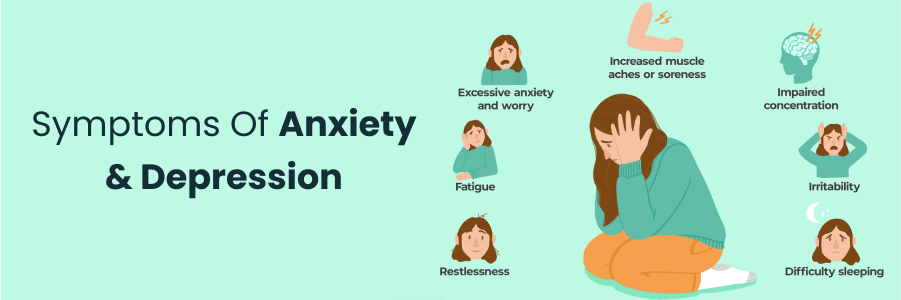
Disrupted sleep schedules often aggravate both anxiety and stomach acid production. Addressing underlying sleep disorders is crucial for lowering stress hormones and aiding nighttime digestion.
- Heartburn and Regurgitation: Burning sensations in the chest after stress spikes.
- Trouble Swallowing or Throat Tightness: Feeling a “lump in the throat” (globus sensation) combined with anxiety.
- Nausea and Stomach Cramping: Digestive upset accompanied by racing thoughts or panic.
- Anxiety Symptoms Secondary Focus: Increased heart rate, shortness of breath, and feeling tense.
- Acid Reflux Symptoms Secondary Focus: Acidic taste in the mouth and chest discomfort worsening when lying down.
Underlying Causes and Lifestyle Factors
To manage both conditions effectively, it is vital to address lifestyle factors. Using alcohol or nicotine to ease anxiety can worsen stomach acid production; a comprehensive substance abuse evaluation can assist in establishing healthier lifestyle habits.
- Elevated Cortisol: Chronic stress hormones slow down digestion, keeping food and acid in the stomach longer.
- Dietary Triggers: Stress eating high-fat, spicy, or caffeinated foods triggers reflux.
- Shallow Breathing: Hyperventilating during anxiety alters diaphragm tension, impairing the lower esophageal sphincter.
Best Treatments for Anxiety-Driven Acid Reflux
An effective treatment plan targets both the mind and the digestive system simultaneously.
- Targeting Mental Health: Cognitive Behavioral Therapy (CBT) and gut-directed hypnotherapy reduce nervous system reactivity. Anti-anxiety medications or SSRIs can calm gut sensitivity.
- Targeting Gastrointestinal Health: Proton Pump Inhibitors (PPIs) or antacids help lower stomach acidity, while eating smaller meals and remaining upright after eating prevents acid reflux.
Final Thoughts
Treating acid reflux anxiety disorder caused by anxiety requires a comprehensive approach that addresses both digestive health and emotional well-being. While medications and dietary changes can reduce reflux symptoms, managing anxiety through therapy, stress reduction techniques, and healthy lifestyle habits is equally important for lasting relief. Understanding the gut-brain connection empowers you to break the cycle of stress and digestive discomfort before it worsens. If persistent heartburn, anxiety, or stomach issues are affecting your daily life, don’t wait to seek professional help.
Ready to take control of your digestive health and emotional well-being? Connect with our professional care team by visiting our contact us page today.
Frequently Asked Questions
Q1: Can anxiety actually cause physical acid reflux?
Yes, anxiety releases stress hormones, increases stomach acid sensitivity, and relaxes stomach sphincters, directly causing reflux.
Q2: Will acid reflux go away if I treat my anxiety?
Reducing anxiety often significantly decreases the frequency and severity of acid reflux symptoms.
Q3: What lifestyle changes help both anxiety and acid reflux?
Managing stress through deep breathing, eating smaller non-spicy meals, exercising regularly, and improving sleep habits help both conditions.
Q4: Should I take antacids or anti-anxiety medication first?
A medical provider can evaluate your symptoms to recommend a balanced approach targeting both physical and mental health.
Q5: Can deep breathing exercises help relieve heartburn?
Yes, diaphragmatic breathing strengthens the lower esophageal sphincter and activates the parasympathetic nervous system to ease reflux.