

PTSD Treatment Options That Actually Work in 2026
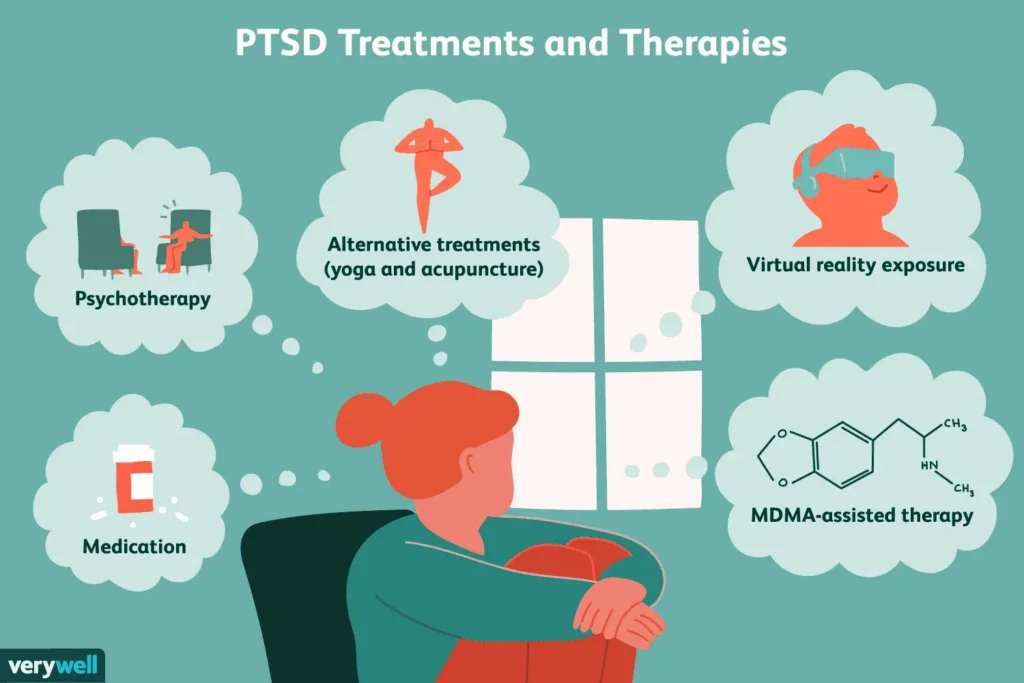
Post-Traumatic Stress Disorder is one of the most misunderstood and undertreated mental health conditions in the world. Millions of people veterans, abuse survivors, accident victims, first responders, and everyday individuals live with its debilitating effects every single day. The encouraging truth is that 2026 offers a wider range of proven, accessible PTSD treatment options than ever before. If you are ready to reclaim your life, the right help exists and Grace Mental Wellness LLC is here to help you find it. Understanding PTSD: Beyond the Stereotypes PTSD is far more than flashbacks and combat-related stress. It is a complex neurobiological condition that can develop after any experience of actual or threatened death, serious injury, sexual violence, or overwhelming helplessness. Symptoms fall into four key clusters: intrusion (flashbacks, nightmares), avoidance (emotional numbing, withdrawing from life), negative alterations in cognition and mood, and hyperarousal (hypervigilance, sleep disturbances, explosive anger). PTSD frequently co-occurs with other conditions particularly anxiety disorders, depression, and substance use. This is why effective PTSD treatment in 2026 often requires a comprehensive, individualized approach rather than a one-size-fits-all solution. Why Many People With PTSD Go Untreated Stigma remains one of the biggest barriers to treatment. Many people with PTSD believe their symptoms are a personal failing, a sign that they are “not strong enough” to move on. Others fear being judged, disbelieved, or labeled. Some have tried therapy before and found it unhelpful, not realizing that not all therapies are equally effective for trauma. The reality is that PTSD is a medical condition with a neurological basis and like any medical condition, it responds to the right treatment. Seeking help is not a weakness. It is the most courageous and practical thing you can do. Evidence-Based PTSD Treatment Options in 2026 1. Prolonged Exposure Therapy (PE) Prolonged Exposure is consistently ranked among the most effective PTSD treatments in clinical research. It works by systematically and safely helping clients confront trauma-related memories, emotions, and situations they have been avoiding. By facing rather than fleeing these triggers in a controlled therapeutic environment, the brain gradually learns that the trauma memory is no longer a current threat. Most PE programs are completed in 8 to 15 sessions, making it one of the most time-efficient treatments available. 2. Cognitive Processing Therapy (CPT) CPT addresses the distorted beliefs called “stuck points” that PTSD instills about safety, trust, power, esteem, and intimacy. Thoughts like “The world is completely dangerous,I cannot trust anyone,” or “I am permanently damaged” maintain PTSD symptoms long after the trauma has passed. CPT uses structured writing and discussion exercises to help clients examine and challenge these beliefs, producing lasting reductions in PTSD severity. It is highly effective for both combat-related and civilian trauma. 3. EMDR Therapy Eye Movement Desensitization and Reprocessing (EMDR) is endorsed by the World Health Organization as a first-line PTSD treatment. It uses bilateral stimulation most often guided eye movements to help the brain reprocess traumatic memories that have become “stuck” in a hyperactivated state. EMDR can produce significant relief in fewer sessions than traditional talk therapy, and it does not require clients to describe their trauma in detail making it particularly accessible for those who struggle to verbalize what happened to them. 4. Cognitive Behavioral Therapy for PTSD (CBT) Trauma-focused CBT helps survivors identify the connections between traumatic events, thoughts, feelings, and behaviors. It equips clients with practical skills to challenge unhelpful thinking patterns and gradually re-engage with avoided activities and situations. CBT is versatile, widely available, and supported by decades of rigorous research across diverse trauma populations. 5. Narrative Exposure Therapy (NET) NET is particularly effective for individuals who have experienced multiple traumatic events across their lifetime including refugees, war survivors, and victims of prolonged abuse. It helps clients construct a coherent autobiographical narrative that contextualizes trauma within their broader life story, reducing its fragmented, overwhelming quality. In some cases, where PTSD co-occurs with conditions along the schizophrenia spectrum, NET is adapted carefully within a multidisciplinary treatment framework. Medication Options for PTSD in 2026 While therapy is the cornerstone of PTSD treatment, medication can play an important supporting role — particularly in reducing symptom severity enough to engage fully in therapy. The most commonly prescribed medications for PTSD include SSRIs such as sertraline (Zoloft) and paroxetine (Paxil), both of which have FDA approval for PTSD. Prazosin is frequently used to address trauma-related nightmares specifically. In 2026, research into novel treatment approaches including stellate ganglion blocks and ketamine-assisted therapy for treatment-resistant PTSD continues to show promising early results. Your prescribing clinician will help you weigh the benefits and potential side effects of any medication approach based on your individual history and needs. Important: Medication alone is rarely sufficient for sustained PTSD recovery. The most effective outcomes consistently come from combining medication with evidence-based psychotherapy under the guidance of a qualified mental health professional. Holistic and Complementary Approaches Alongside formal therapy and medication, a growing body of research supports complementary approaches that enhance PTSD recovery. Mindfulness-based stress reduction (MBSR) helps regulate the hyperaroused nervous system. Trauma-sensitive yoga releases body-stored trauma. Regular aerobic exercise improves mood, sleep quality, and stress resilience. Peer support groups reduce the isolation that PTSD so often creates. These approaches work best as additions to not replacements for evidence-based treatment. Discuss any complementary strategies with your therapist or psychiatrist to ensure they fit safely within your overall care plan. Choosing the Right PTSD Treatment for You With so many PTSD treatment options available in 2026, knowing where to start can feel overwhelming. The right choice depends on the nature of your trauma, your current symptoms, your personal preferences, your lifestyle, and any co-occurring conditions. A thorough clinical assessment by a qualified professional is the essential first step. At Grace Mental Wellness LLC, our experienced clinicians specialize in trauma-informed care and will work with you to build a personalized treatment plan that matches your unique needs and goals. Recovery from PTSD is not just possible it is achievable. Reach out to our team today and take