


What is the most common behavioral disorder in adults? One of the most prevalent mental disorders among adults is bipolar spectrum disorder. People spend many years not knowing that they are living with it, experiencing mood swings but failing to find the cause of the problems. It might affect the way of thinking, feelings, sleeping habits, work performance, and interaction with family and friends.
At Grace Mental Wellness, we see patients every week that finally get answers to the symptoms they suffer from for a very long time. Thanks to proper diagnosis and bipolar spectrum disorder treatment, people are able to control their symptoms better. If you experience such symptoms, it would be useful for you to pass a bipolar spectrum disorder test and consult a mental health provider about it. The bipolar spectrum disorder DSM-5 criteria will help you get diagnosed while the bipolar spectrum disorder ICD-10 code will be used by healthcare providers.
Understanding the Bipolar Spectrum Disorder Test
Bipolar spectrum disorder screening is a straightforward test designed to facilitate discussion on your mental well-being. Typically, it involves answering questions about your moods, energy levels, sleep habits, and behavioral changes. The screening test is not designed to diagnose bipolar disorder. Its main objective is to assist your mental health practitioner in understanding your symptoms and asking relevant questions. In case the test indicates that you have a risk of having bipolar disorder, further testing can be recommended for proper diagnosis.
Bipolar Spectrum Disorder ICD-10: Diagnosis and Coding
Providers lean on ICD-10 codes to sort bipolar spectrum disorder into categories manic, depressive, mixed. Insurance companies want these codes too, which, honestly, is half the reason they exist in their current form. Accurate coding still matters for your care, though. It gives your treatment team a paper trail they can actually use.
Bipolar Spectrum Disorder DSM-5 Criteria Explained
DSM-5 criteria hinge on distinct mood episodes. A provider is looking for a stretch of elevated or irritable mood paired with a jump in energy, and depressive episodes usually follow at some point, sometimes weeks later, sometimes months. You need at least one manic or hypomanic episode for most subtypes to count. That single detail trips up a lot of self-diagnosed cases online.
Signs and Symptoms of Bipolar Spectrum Behavioral Disorder in Adults
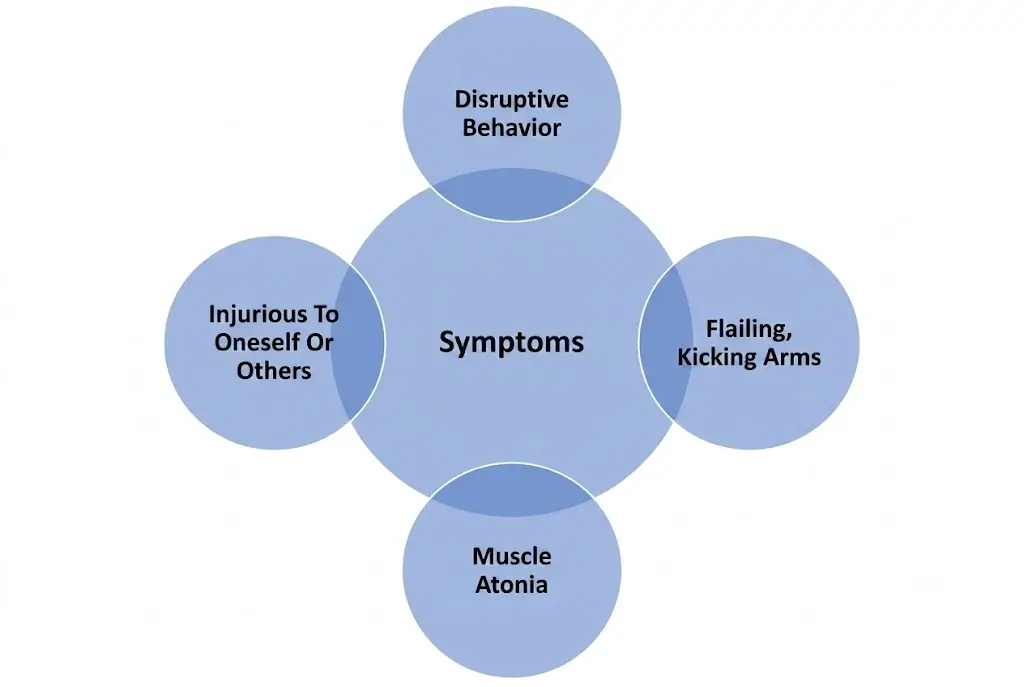
Symptoms don’t look the same twice. One person cycles fast. Another rode a high for six weeks straight before crashing hard. Common patterns include:
- Mood swings between high energy and deep lows
- Impulsive spending or decisions during manic stretches
- Barely sleeping, or not feeling like you need to
- Pulling away from people during depressive phases
These patterns build slowly, over weeks, not overnight.
Causes and Risk Factors of Bipolar Spectrum Disorder
There are high chances that the development of bipolar spectrum disorder may be influenced by genetics. For example, if you have a relative who has been diagnosed with bipolar disorder, then there are high chances that you too will develop it. This is not the only factor for development of bipolar disorder. Some factors that could contribute to triggering the onset of your first episode of the disease include changes in brain chemistry, chronic stress, separation, job loss, or any other life event.
How Bipolar Spectrum Disorder Is Diagnosed in Adults
Diagnosis starts with a full psychiatric workup. Your provider walks through your mood history and asks about relatives, past episodes, anything that stands out. Blood work can rule out thyroid issues or other conditions that mimic bipolar symptoms that surprises a lot of people. Expect more than one visit. Mood patterns take time to show their true shape, and no provider worth trusting rushes that.
Bipolar Spectrum Disorder Treatment: Effective Options for Long-Term Management
Treatment usually pairs medication with therapy. Mood stabilizers smooth out the highs and lows. Therapy adds coping skills that helps at 2 a.m. when a mood shift hits and there’s no provider on the phone. Our behavioral health services build a plan around your actual symptoms, not a template pulled off a shelf.
According to theNational Institute of Mental Health, roughly 2.8% of U.S. adults deal with bipolar disorder in a given year, and it often first shows up in the late teens or early twenties younger than most people assume.
Living Well With Bipolar Spectrum Disorder: Treatment and Support
You can have a happy and healthy life despite having bipolar spectrum disorder. This is achievable provided that you get proper treatment and support. It is advisable to maintain a consistent sleeping pattern because a balanced mood is promoted by getting sufficient rest and good sleep. Always ensure that you take the prescribed medicine without fail, even on those occasions where you feel okay. Discontinuing the treatment too early increases chances of the symptoms being revived.
Social support from family members and other friends will be important in assisting you cope. Everyone’s road to recovery differs, thus exercise patience. With appropriate bipolar spectrum disorder treatment, healthy practices, and social support, managing the symptoms becomes easy.
Final Thoughts
The bipolar spectrum disorder is much more prevalent than most people might think. There are many adults who suffer from it without being aware that they do because of fear, stigma, or a lack of knowledge on the topic. Early detection can be very important. With proper diagnosis and treatment, people can control their condition and lead a healthier life. If the symptoms mentioned above remind you of yourself or of somebody you know, do not overlook them. Seeking advice from a specialist will be your first move in the right direction. Reach out to Grace Mental Wellness today and get an evaluation on the calendar.
Frequently Asked Questions
1. What is the most common behavioral disorder in adults?
Bipolar spectrum disorder affects mood, energy, and daily functioning more than people expect.
2. Can bipolar spectrum disorder be cured?
No cure exists, but medication and therapy help most adults manage it well.
3. What triggers a bipolar episode?
Stress, poor sleep, and big life changes are the usual triggers.
4. How long does diagnosis take?
Often several sessions, since mood patterns need time to show themselves.
5. Is bipolar spectrum disorder genetic?
Yes. Family history raises the risk quite a bit.