

Anxiety is one of the most common challenges for people on the anxiety in autism spectrum disorder, yet it often goes unnoticed. Many families assume that worry, avoidance, or meltdowns are simply part of autism, when they may point to a separate and treatable anxiety condition. At Grace Mental Wellness, we see how much life improves when anxiety is correctly identified and supported. This guide explains how anxiety shows up in autism spectrum disorder (ASD), why it happens, and which treatment options can help.
How Anxiety Affects People With Autism Spectrum Disorder
Anxiety can shape nearly every part of daily life for someone with ASD. It may affect school or work performance, friendships, family routines, sleep, and overall health. A person who feels constantly on edge may struggle to concentrate, avoid new experiences, or withdraw from social situations they would otherwise enjoy.
Anxiety can also make core autism traits feel stronger. Difficulty with communication, sensory sensitivity, and rigid routines may all intensify when stress is high. This overlap is one reason anxiety is so often missed, and why a careful evaluation matters.
Anxiety in Autism Spectrum Disorder: Signs and Support Options
Signs of anxiety may look different from person to person. Some individuals can describe their worries clearly, while others show distress through behavior. Watch for sudden changes in mood, increased irritability, or new fears that were not there before.
Support starts with understanding. Predictable routines, clear communication, visual schedules, and a calm environment can reduce daily stress. When anxiety begins to interfere with functioning, professional support becomes important. Therapy, skills training, and medical care can all play a role, and the right combination depends on the individual’s age, strengths, and needs.
Exploring the Link Between Autism Spectrum Disorder and Anxiety
Research consistently shows that anxiety disorders occur more often in people with ASD than in the general population. Many studies estimate that a large share of autistic children and adults experience clinically significant anxiety at some point.
The link is understandable. The world can feel unpredictable and overwhelming when you process sensory information and social cues differently. Each unexpected change or misunderstood interaction can add to a sense of uncertainty, which is a major driver of anxiety. Recognizing this connection helps families and clinicians look beyond autism alone when someone is struggling.
Common Anxiety Symptoms in Individuals With Autism Spectrum Disorder
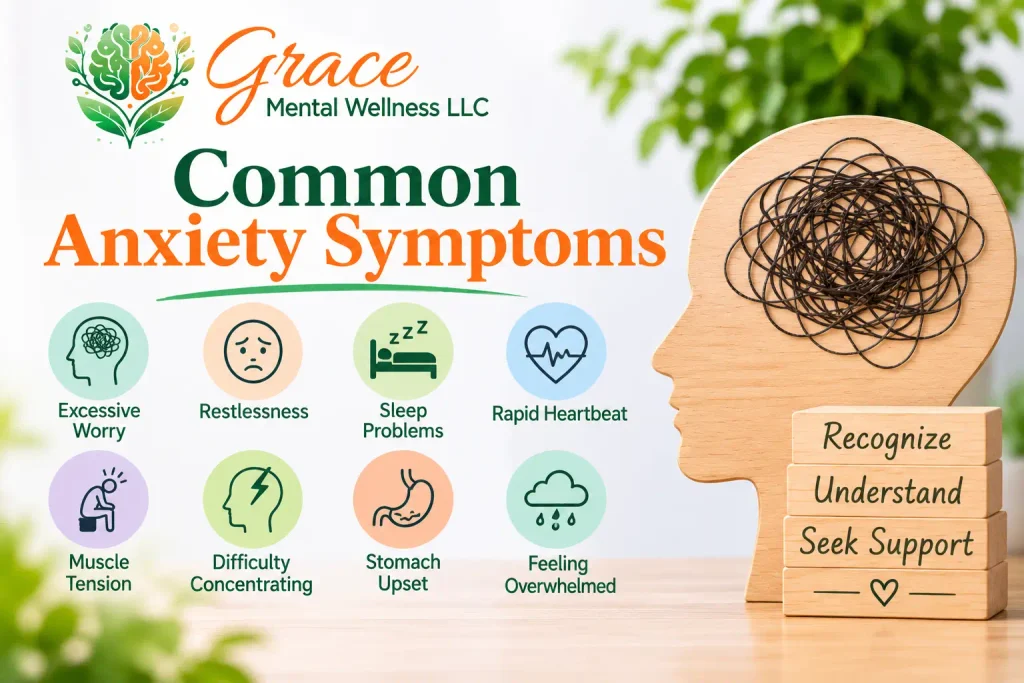
Anxiety symptoms in ASD can be emotional, physical, or behavioral. Common examples include:
- Excessive worry about changes, schedules, or future events
- Avoiding social situations, school, or unfamiliar places
- Increased repetitive behaviors or stronger need for sameness
- Meltdowns or shutdowns that seem out of proportion to the trigger
- Stomachaches, headaches, muscle tension, or trouble sleeping
- Restlessness, pacing, or difficulty sitting still
- Heightened sensitivity to sounds, lights, or touch
- Clinginess or difficulty separating from caregivers
Because some of these behaviors overlap with autism itself, it helps to notice what has changed. A sudden increase in behavior often signals that anxiety is playing a part.
Anxiety in Autism Spectrum Disorder: Challenges and Coping Strategies
Several challenges make anxiety harder to manage in ASD. Many people have trouble identifying and naming their emotions, a difficulty sometimes called alexithymia. Others struggle to explain what they feel, so distress comes out as behavior rather than words.
Practical coping strategies can make a real difference:
- Use visual supports and countdowns to prepare for transitions
- Build a quiet, low-sensory space for recovery
- Practice deep breathing, movement breaks, or grounding exercises
- Use emotion charts or scales to help name feelings
- Keep routines consistent, and introduce change gradually
- Honor special interests as a source of calm and confidence
These strategies work best when practiced during calm moments, so they are familiar when anxiety rises.
Why Anxiety Is Common in Autism Spectrum Disorder
There is rarely a single cause. Several factors often work together:
- Sensory sensitivities: Everyday noise, crowds, or bright lights can feel overwhelming.
- Intolerance of uncertainty: Unexpected changes can trigger intense worry.
- Social challenges: Misreading social cues or past negative experiences can create fear of social settings.
- Brain differences: Differences in how the brain regulates stress and emotion may increase vulnerability.
- Life experiences: Bullying, exclusion, or repeated pressure to “fit in” can add to long-term anxiety.
- Genetics and family history: Anxiety can run in families.
Understanding these causes helps remove blame. Anxiety in ASD is not a failure of effort or parenting. It is a response to real challenges, and it can be treated.
Managing Anxiety in Autism Spectrum Disorder Through Effective Treatment
Effective treatment is personalized. A thorough psychiatric assessment is a strong first step because it clarifies whether symptoms stem from anxiety, autism, or both, and it rules out other conditions that may look similar. From there, a plan can be built around the person’s goals.
Common treatment options include:
- Cognitive behavioral therapy (CBT): Adapted for ASD, CBT uses concrete, visual, and structured methods to help people understand and change anxious thoughts.
- Skills-based therapy: Social skills, emotional regulation, and coping training build confidence over time.
- Family involvement: Parents and caregivers learn how to support routines and respond calmly to distress.
- Medication: When anxiety is moderate to severe, medication management can reduce symptoms so therapy and daily life become easier. Medications are prescribed carefully and monitored closely.
To learn more about diagnosis and care, you can also visit our page on anxiety disorder treatment.
Final Thoughts
Anxiety in autism spectrum disorder is common, real, and treatable. With early recognition, practical coping tools, and the right professional care, people on the spectrum can feel calmer, more confident, and better able to enjoy daily life. If you or someone you love is struggling, you do not have to figure it out alone. Please contact us to schedule a visit with our compassionate team at Grace Mental Wellness.
Frequently Asked Questions
1. Is anxiety common in people with autism spectrum disorder?
Yes. Anxiety disorders occur more often in people with ASD than in the general population, and many autistic children and adults experience significant anxiety at some point.
2. How can I tell if behavior is anxiety or autism?
Look for changes. A sudden increase in meltdowns, avoidance, repetitive behavior, or physical complaints often signals anxiety. A professional assessment can sort out the cause.
3. Can children with autism take medication for anxiety?
In some cases, yes. A qualified provider can decide whether medication is appropriate based on symptom severity, age, and health history, and will monitor progress closely.
4. Does therapy work for anxiety in autism?
Yes. CBT and other therapies adapted for ASD, with visual supports and concrete language, can help people manage worries and build coping skills.
5. When should I seek professional help?
Seek help when anxiety interferes with sleep, school, work, relationships, or daily routines, or when your own strategies are no longer enough.