

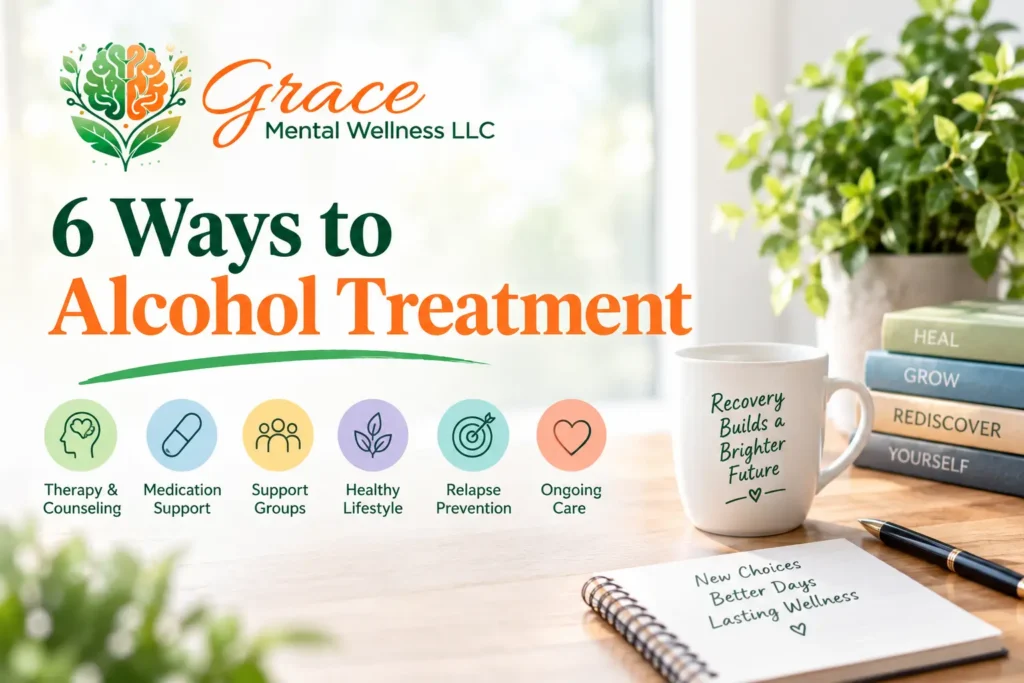
Most people don’t wake up one morning and decide to change everything. It happens in pieces, usually after a rough week or a conversation that stuck. If you’re wondering whether alcohol treatment is worth the effort, the short answer is yes, and the reasons go well beyond drinking less. Treatment can steady your sleep, calm your moods, repair strained relationships, and give you back hours you didn’t realize were slipping away. It also gives you tools, not just willpower. Professional alcohol dependence treatment can support you at every stage, from picking the right program to staying on track years later. Exploring 6 ways alcohol treatment can support a healthier life may help you understand the benefits of professional care. Take what fits, and remember that starting small still counts as starting.
How to Choose the Right Alcohol Treatment Centers Near Me
Searching for alcohol treatment centers near me can feel like a lot when you’re already worn out. Start with the basics. Is the program licensed? Does it offer a medical assessment before anything else? A good center will ask about your drinking history and mental health, not just how much you drink. Check whether they provide both therapy and medication support, since many people need the two together. Ask what a typical week looks like. Ask about location and scheduling too, because a program you can’t reach on a Tuesday evening won’t help much. Practices like Grace Mental Wellness offer evaluations that make comparing options easier. Visit, call, ask blunt questions, and trust your gut.
Understanding 6 Ways Alcohol Treatment Medications for Recovery
Medication isn’t a magic fix, but it can quiet the noise. Naltrexone dulls the reward you’d normally get from drinking. Acamprosate helps steady the brain’s chemistry after you stop, which can ease that restless, anxious feeling in the early weeks. Disulfiram makes you sick if you drink, so it works as a deterrent. Not everyone needs these, and the right pick depends on your health history, other prescriptions, and how you’ve been drinking. That’s why careful medication management matters, with a prescriber adjusting doses and watching for side effects. Pair the pills with counseling and they tend to work far better than on their own. Ask your prescriber how long you’d stay on them.
How Professional Alcohol Treatment Supports Long-Term Recovery
Quitting alone works for some people. For many, it doesn’t stick. Professional care adds structure and medical oversight, plus people who’ve seen your situation before. Early on, withdrawal can be risky, with seizures possible in severe cases, so supervised detox is a safety issue and not just a comfort one. After that, clinicians help you build a plan that lasts past the first rough month. Programs focused on alcohol dependence treatment usually check in regularly, adjust the plan when life changes, and catch slips before they become full relapses. Recovery isn’t a straight line, and having a professional in your corner makes the dips less scary. Think of it as scaffolding while you build something permanent.
Benefits of Seeking Help for Alcohol Use Disorder
The upsides show up faster than people expect. Sleep improves, often within a couple of weeks. Blood pressure can drop and the liver gets a chance to heal. Mornings stop feeling like a negotiation with your own body. Then there’s the less visible stuff: steadier moods, fewer arguments, more money left at the end of the month. Seeking help also ends the exhausting habit of hiding it. Plenty of people say that relief alone was worth the first appointment. And the longer you wait, the more tangled things get at work and at home, so reaching out sooner usually means an easier road. Nobody gets a medal for toughing it out alone.
How Therapy Helps Manage Alcohol Addiction
Alcohol rarely shows up alone. It’s usually tied to stress, loneliness, old grief, or a bad Friday habit that never got questioned. Therapy digs into that. Cognitive behavioral therapy teaches you to spot the thought that comes right before the drink, then swap in a different response. Motivational interviewing works differently, helping you find your own reasons for change instead of hearing someone else’s lecture. Family sessions can repair trust that took years to crack. Group therapy shows you that you’re not the only one white-knuckling a Saturday night. Most people mix formats, and that’s fine. Skills learned in the room get tested in real life, then brought back for tweaking.
Why Personalized Alcohol Treatment Plans Matter
Two people can both have alcohol use disorder and need completely different care. One’s a 28-year-old bartender with anxiety. The other is a 57-year-old retiree who started drinking after his wife died. Cookie-cutter programs miss that. A personalized plan looks at your history, your schedule, any co-occurring conditions like depression, and what you actually want from recovery. Maybe that means weekly outpatient therapy plus medication. Maybe it means a residential stay first. Plans should also change as you do, because what works in month one rarely fits month nine. Good clinicians expect to revise the plan, and they’ll say so up front. If a program hands you the same packet it hands everyone, keep looking.
How to Build Healthy Habits During Alcohol Recovery
Take away drinking and suddenly you’ve got hours to fill. That’s the hard part nobody mentions. Build replacements on purpose. A morning walk, even ten minutes, changes the tone of a day. Regular meals keep blood sugar steady, which cuts down on irritability and cravings. Aim for a consistent bedtime, since exhaustion makes everything feel harder. Find something to do with your hands, like cooking, woodworking, or a cheap secondhand guitar. Fill the old drinking slots first, whether that’s 5 p.m. on weekdays or Sunday afternoon football. None of it needs to be impressive. Small routines stack up quietly, and a few months in, you’ll notice the days feel like yours again.
Ways to Manage Alcohol Cravings and Avoid Relapse
Cravings come in waves, and most peak and fade within 20 or 30 minutes. Knowing that helps. When one hits, call someone, go outside, or drink a cold glass of water and wait it out. Learn your triggers, whether they’re certain people, certain bars, or a rough day at the office, and plan around them. Keep a short list of reasons for quitting on your phone. If you do slip, it doesn’t erase your progress. Tell your counselor quickly, figure out what led to it, and adjust. Shame can do more damage than the slip itself. Medication can also take the edge off, so mention persistent cravings to your prescriber.
How Ongoing Support Helps Maintain a Healthier Life
Treatment ends. Recovery doesn’t. That gap is where ongoing support earns its keep. Regular check-ins with a therapist or prescriber keep small problems from snowballing. Peer groups like AA or SMART Recovery give you people who get it, available on a Wednesday night when you’re struggling and your friends are asleep. Online meetings help if you travel or live somewhere remote. Family and friends matter too, especially when they learn how to support you without policing you. Many people find that helping a newer member steadies their own sobriety. Aftercare isn’t a sign you’re failing. It’s maintenance, like servicing a car you plan to drive for decades. Plan it before you leave treatment, not after.
Final Thoughts
A healthier life after alcohol is realistic. It rarely comes from one big decision. More often it’s a pile of smaller ones: picking the right center, sticking with medication that fits, showing up for therapy, and letting people help. You don’t need the whole map today. You need a first step, and that can be a phone call. If you’re ready to talk, contact us and our team will walk through your options at your pace, with no pressure and no judgment. Some days recovery feels hard. Others it’s surprisingly ordinary. Both count, and both mean you’re still moving toward a life that feels better.
Frequently Asked Questions
1. What does alcohol treatment usually include?
Most programs combine a medical assessment, therapy, and sometimes medication. Support groups and aftercare are often added to keep progress steady.
2. Do I need inpatient care to recover?
Not always. Mild to moderate cases often respond well to outpatient care, while severe cases or past relapses may call for residential treatment.
3. How long do alcohol cravings last?
Individual cravings usually fade within 20 to 30 minutes. Overall frequency tends to drop over the first several months of recovery.
4. Can medication help with alcohol use disorder?
Yes. Naltrexone, acamprosate, and disulfiram can reduce cravings or discourage drinking, and they work best alongside counseling.
5. What if I relapse after treatment?
A relapse doesn’t mean treatment failed. Tell your provider soon, review what triggered it, and adjust the plan together.